Destinations · 7 September 2023
A Guide to Visiting Namibia
Namibia is one of Southern Africa's most compelling destinations, defined by dramatic terrain and remarkable wildlife. This sparsely populated country takes in granite outcrops, tangerine-coloured sands and dust-hazed sa
A Guide to Visiting Namibia
Namibia is one of Southern Africa’s most compelling destinations, defined by dramatic terrain and remarkable wildlife. This sparsely populated country takes in granite outcrops, tangerine-coloured sands and dust-hazed savannah, all supporting an unusually diverse range of plants and animals.
So what makes Namibia worth considering for your next trip? Whether you are learning about big cat conservation at Okonjima or watching the living dunes at Sossusvlei, time here tends to be memorable. You can explore the rugged Skeleton Coast and come away having learned something new along the way.
This guide covers the essentials: getting there, where to stay, how to get around, self-driving considerations, the best time to visit, standout experiences and the main types of holiday.
Getting to Namibia
Most visitors arrive in the capital, Windhoek, on a flight from Johannesburg or Frankfurt. Flights from London are daily, and add-on fares make it straightforward to combine Namibia with other countries in the region. South Africa borders Namibia to the south, so you could pair your trip with Cape Town, or reach Victoria Falls in Zimbabwe by air or by driving across the Caprivi Strip. From there, it is possible to continue through vast dune fields and game reserves.
Where to Stay
Accommodation in Namibia ranges from luxurious lodges and mountain camps to eco-lodges and campsites. After crossing the Namib and watching wildlife in its natural habitat, a comfortable stopover to recharge makes a real difference. Driving north along the eerie Skeleton Coast, you may even spot the remains of shipwrecks still visible today.
In Damaraland, Camp Kipwe sits camouflaged among surrounding boulders, with 360° views over rugged land and towering mountains, plus nature drives in search of the elusive desert-adapted elephants. At Sossusvlei, Sossusvlei Lodge offers easy access to Namib-Naukluft Park at sunrise, when the dunes shift through their changing colours.
From Etosha National Park to Swakopmund, there is accommodation to suit the wildlife activities you hope to experience. Whether you opt for a small group tour or a self-drive journey, the range of options means every day can offer something new.
Getting Around
Transport options include car hire, light aircraft and rooftop camping vehicles. By far the most convenient way to travel around Namibia is a hired vehicle, which lets you explore at your own pace and with real freedom. A standard four-door saloon is a reasonable choice, but a vehicle along the lines of a Nissan X-Trail, with higher road clearance, is better suited to Namibian conditions.
Self-Driving Considerations
Drive on the left-hand side of the road and refuel regularly at filling stations to avoid any problems. It is best not to drive at night, as animals are drawn to the warmth of the tarmac and often sleep on it. Over long distances, keep well hydrated and bring entertainment: journeys can be long and tiring, so breaking them up with music or games helps.
Best Time to Visit
The rainy season runs from November to April, when temperatures in the south can exceed 35°C. Evenings are warmer during this wet season, and afternoon thunderstorms sometimes occur.
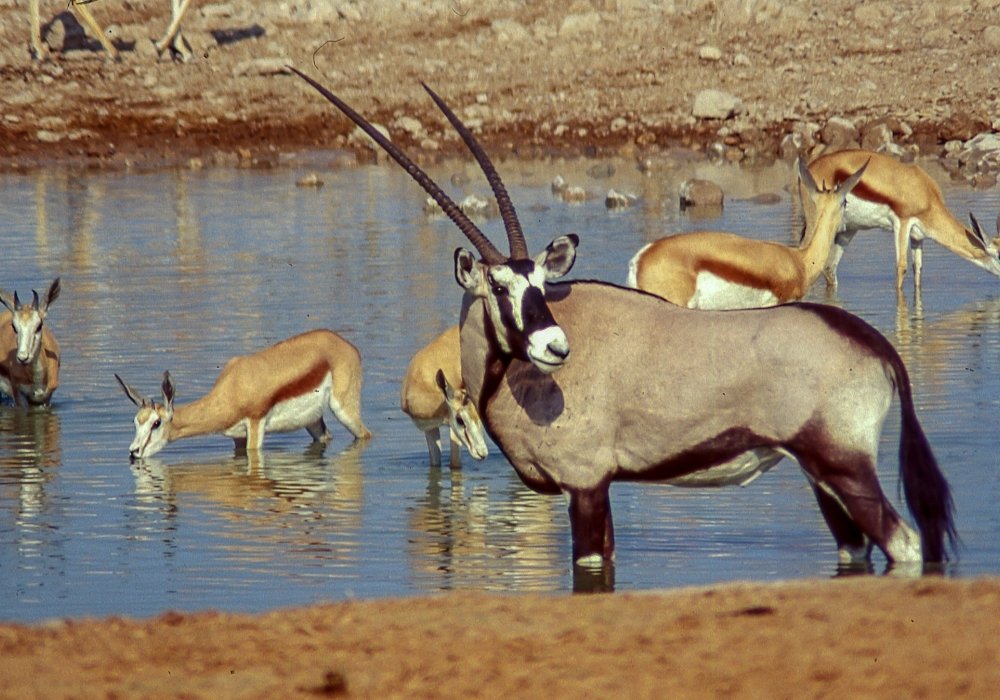
The best time to visit is generally the dry season, from May to October. During this winter period, game viewing improves as animals such as oryx and kudu search for new water sources in areas including Etosha National Park, and the weather conditions are far more pleasant. Despite its sparse population, Namibia has well-maintained infrastructure, which underpins a wide range of wildlife experiences and adventures throughout the year.
Experiences in Namibia
Namibia is a go-to Southern African destination for its adventure activities and unusual attractions. Between time at the iconic Fish River Canyon and Victoria Falls, you can discover eye-opening big cat conservation projects, thrilling black rhino excursions and scenic boat trips. Here are some of the highlights.
Stargaze under pristine night skies on the Skeleton Coast
The Skeleton Coast is a treasure trove of experiences, from boat trips where you can observe sea life to 4x4 excursions in the dunes. One of the most memorable, though, is simply looking up at the night sky. With so little light pollution, millions of ultra-bright stars are visible.
Namibia has some of the darkest skies on the planet. The dry climate and landscape combine to produce cloudless conditions, giving some of the clearest stargazing anywhere. Whether you are a romantic hoping to impress someone special or simply enjoy astronomy, the Skeleton Coast is an ideal place to observe the vast solar system.
Search for big cats and learn about conservation at Okonjima
During your visit, you can track pangolins on foot with a researcher. These vulnerable, endangered creatures are incredibly rare, and sightings are not guaranteed. Alternatively, join an Okonjima Carnivore Search to spot big cats in their natural habitat and learn about the AfriCat Foundation, a conservation project focused on cheetah rehabilitation. Its work helps return orphaned and previously captive cats to the wild, where you can search for them on foot.
With an experienced guide, you can observe these carnivores and learn about core conservation efforts. Along the way, take a moment to focus on the sights and sounds of this renowned nature reserve and what makes the experience so distinctive.
Spot desert-adapted elephants and track rhino on foot in Damaraland
Damaraland’s natural beauty shows itself in many ways, but some of the most memorable activities are based at Damaraland Camp or Palmwag Desert Lodge. The former is home to the rare desert-adapted elephant, while the latter supports Africa’s largest population of free-roaming black rhino.
Black rhino are rare and very shy, so a sighting is a stroke of luck; they are mainly active at night, foraging for food and water. Across these areas, you can join nature drives and reflective walks while watching these magnificent animals in their natural habitat, where they are most at ease.
Marvel at resident dolphins and seals on the waters of Walvis Bay
Located south of the colonial town of Swakopmund and west of the capital, Windhoek, Walvis Bay offers its own distinctive experiences. Beyond historic museum tours and 4WD sightseeing, you can enjoy a scenic boat trip on the bay. On the water, look out for a variety of birds alongside other wildlife, including dolphins and a seal colony at play.
This bucket-list activity also allows you to kayak with the seals. After watching them feed on fish, you will learn about the area’s history before being offered Namibian oysters and sparkling wine, then disembarking. Over the course of three hours, you may well come away wanting to do it all again.
Climb to the top of Sossusvlei’s famous Dune 45
Desert scenery across Southern Africa is vast. Whether you want to travel across wide landscapes, spot local wildlife or take picture-perfect photographs, Dune 45 has it all. Part of the Sossusvlei area of the Namib, this 170m star dune is a striking sight.
Climbing to the top is no easy feat. The hike takes around 40 minutes, and doing it at sunrise is recommended, so bring plenty of water to stay hydrated. At the summit, you are rewarded with a magnificent view of vibrant red sands stretching for miles, and you may even spot oryx and ostriches roaming the landscape. Take a moment to appreciate the epic beauty of this vast country.
Types of Holiday in Namibia
Namibia offers many ways to encounter its flora and fauna. From adventurous road trips to immersive camping experiences and intimate small group tours, here are the main options.
Family holidays
With towering sand dunes, quirky coastal towns and desert-adapted wildlife, Namibia works well for families. Everyone can join a safari adventure or game reserve search, while individual family members may prefer to branch off elsewhere.
There is something for the whole family to enjoy. Journeying through sprawling landscapes and spotting local springbok and meerkat populations is especially special with loved ones. Whether you are after a ghost town trip or adrenaline activities, you will find it here.
Self-drive holidays
Is it safe to self-drive in Namibia? For those considering a self-drive holiday, the extensive road network and reliable road conditions make it one of the safest countries for driving. You can admire colonial German architecture in Windhoek before travelling to Etosha National Park to spot zebra and elephant.
A road trip itinerary can take in important national parks such as Namib-Naukluft National Park and some of the country’s largest canyons, including Fish River Canyon. Long stretches of gravel roads and well-maintained surfaces make Namibia well suited to independent travel. Between each leg of your journey, you can stop over at a range of eco-lodges and guesthouses before continuing.
Camping holidays
Gather your camping gear and pack plenty of essentials for a memorable independent travel experience. A self-drive rooftop camping holiday can include unforgettable highlights, from climbing Big Daddy at Sossusvlei to helping with research and conservation of big cats at Okonjima. Along the way, you will not only become fully immersed in your surroundings but also have the chance to go quad-biking or deep-sea fishing.
With a packing list covering sleeping bags, first-aid kits, tents, bottled water and other essentials, you will be well prepared to explore Namibia. A fully equipped camping vehicle provides everything else you need for a comprehensive camping trip of a lifetime.
Fly-in safari holidays
The rugged landscapes of red dunes, salt-white plains and yellow savannah are home to a diverse wild animal population. Etosha National Park is one such area, inhabited by tens of thousands of animals, including lions, gemsbok and giraffe.
Alternatively, enjoy a flying safari covering the 400-metre dunes of Sossusvlei and the coastal stretch of the Skeleton Coast. With extensions to the town of Swakopmund or the lush banks of the Kunene River, you can add adventurous activities for an even more memorable experience.
Small group tours
For something a little different, small group tours are an ideal way to experience everything from world-class game viewing to climbing the dunes at Sossusvlei. Namibia has countless highlights — Etosha, Damaraland, Swakopmund, Sossusvlei — and you will have the chance to see them all. With a professional and knowledgeable guide, you will learn almost everything there is to know.
Small group tours operate with a minimum of two and a maximum of eight people. Whether you are looking to explore alone or spend time with people you know, these experiences are breathtaking either way. Across a number of exhilarating days in Namibia, you may well fall in love with this remarkable part of the world.