Wildlife & Nature · 24 January 2025
The Best Safari and Beach Combination for Your Next Adventure
There is something uniquely energising about tracking wildlife across open savannah — following a herd of sable antelope, or catching sight of elephants and lions going about their day. Yet all that excitement has a way
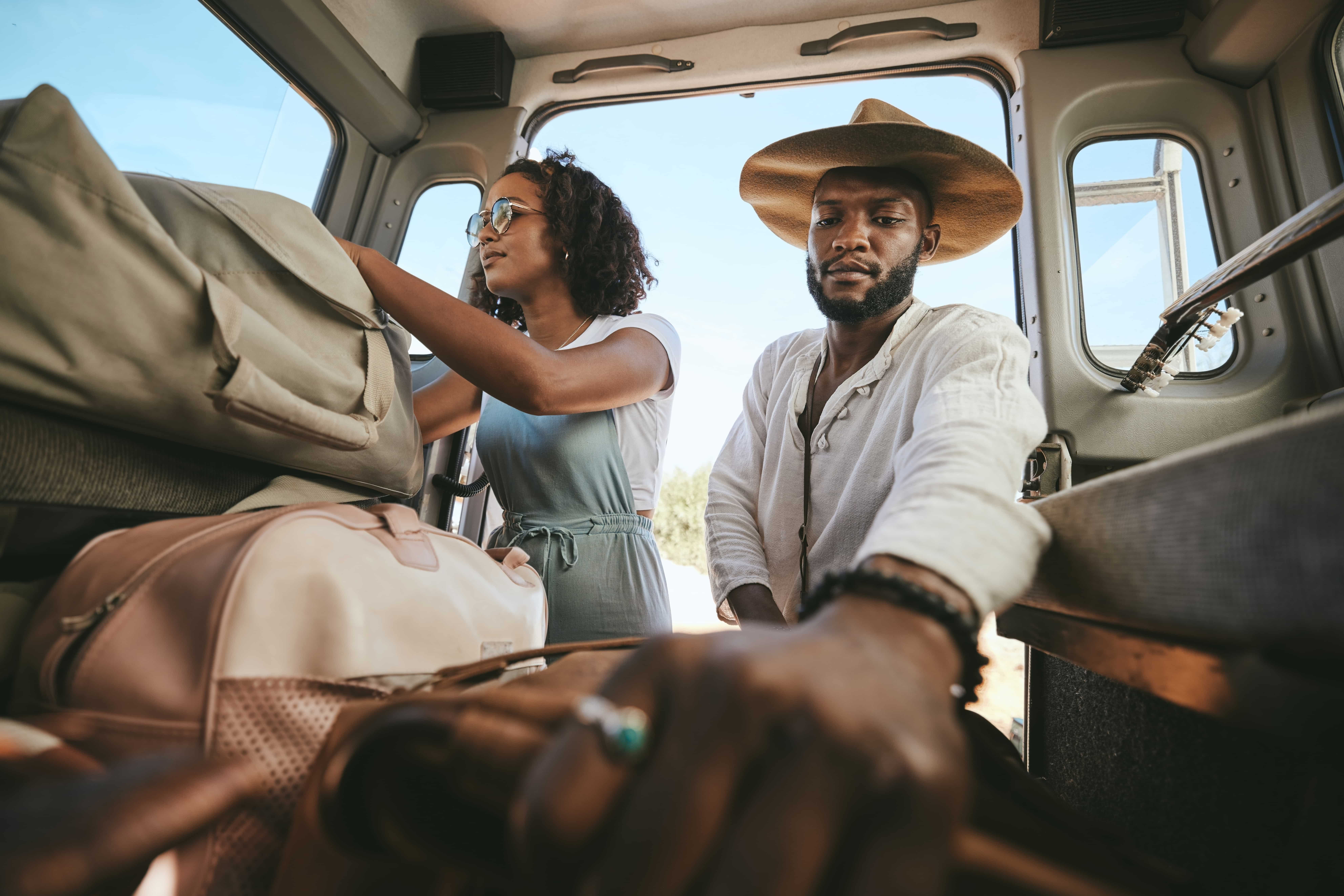
The Best Safari and Beach Combinations for Your Next Adventure
There is something uniquely energising about tracking wildlife across open savannah — following a herd of sable antelope, or catching sight of elephants and lions going about their day. Yet all that excitement has a way of wearing you out.
That is precisely why pairing a safari with time on the coast works so well. A few days of doing very little on a beautiful beach is the ideal counterweight to the early starts and long game drives, and Africa has no shortage of places where you can enjoy both.
So how do you decide which combination suits you?
Why Combine a Safari with a Beach Stay?
A safari-and-beach trip offers adventure and rest in equal measure. After the thrill of game drives, bush walks and nights under canvas, flying straight home can feel like an abrupt ending. Adding a beach stay lets you see more of the region and properly unwind before you travel back.
These holidays also suit a wide range of travellers — honeymooners, families and anyone who likes their comfort served with a side of adrenaline. Thrilling days in the bush, followed by time on a tropical shore, make for a genuinely memorable trip.
Where to Go: The Leading Destinations
Botswana, Zambia and Zimbabwe all pair well with a beach add-on, though flight connections often mean an overnight stop in Johannesburg. The destinations below, however, offer the smoothest and most rewarding combinations.
South Africa
South Africa is one of the finest places in the world for a safari, with a real chance of spotting all of the Big Five. Beyond its national parks — and its waters, where migrating whales pass through — you will find rugged mountains and lush vineyards.
There are also beaches worth building into the same trip. South of Cape Town, Boulders Beach is home to a remarkable penguin colony. Other options include Coffee Bay, Clifton, Camps Bay, Plettenberg Bay and Umhlanga Beach.
A classic twin-centre option: combine a South African safari with time on Mauritius. Game drives and bush walks at an intimate private camp give way to the Indian Ocean, where you can relax on the lagoon at Grand Baie. It is a particularly good structure for a romantic getaway.
Malawi
Malawi is often overlooked, which is part of its appeal. In the south of the country, Majete Wildlife Reserve is a notable conservation success story, home to elephants, leopards, buffalo, hippos, rhinos and African wildcats, with reintroduction programmes having brought many other species back in numbers.
Because Malawi is landlocked, your beach time comes at Lake Malawi. It is an unusual but effective combination: safari first, then the lake, where you can spot the Big Five and recover from the early starts in a single trip.
The country has a rustic, off-grid feel compared with more established safari-and-beach destinations, and keeping both elements within one country reduces your travel footprint. Once you arrive, the logistics are straightforward — depending on which lakeside lodge you choose, transfers can be arranged entirely by road. The lake itself offers kayaking and snorkelling alongside the chance to simply relax.
Kenya
Kenya’s savannahs are dotted with some of the world’s most impressive wildlife: cheetahs, lions, elephants, leopards, rhinos, giraffes and wildebeest all roam here.
Visit the Masai Mara between July and August and you may witness the Great Migration, when more than two million wildebeest, zebra and gazelles move across the region, followed by lions and leopards hunting in their wake.
After scenes like that, the coast is a welcome change of pace, with fine beaches and colourful coral reefs to explore.
A classic twin-centre option: pair the Masai Mara with Zanzibar. Exhilarating game viewing gives way to powder-white sand on the Zanzibar coast. A stay in a former Zanzibari palace in the heart of Stone Town, a short walk from the seafront, adds a romantic finish.
Namibia
Namibia is not a conventional beach destination, but the Skeleton Coast alone earns it a place on this list. Game drives along roughly 300 miles of coastline bring sightings of desert-adapted elephants, hyenas, abundant birdlife and Cape fur seal colonies.
A kayaking day trip gets you close to the resident seals, along with many marine species and birds. A boat trip from Walvis Bay offers another perspective, with guides pointing out the local wildlife and explaining the area’s history — and once the dolphins and seals find the boat, you will see them playing in its wake.
Swakopmund is Namibia’s best-known resort town, mixing adventure activities, colonial architecture and a lively atmosphere. A self-drive route along the Skeleton Coast takes in beaches strewn with rusted shipwrecks and bleached whalebones, with the Atlantic crashing against the shore.
Tanzania
Tanzania pairs wildlife-rich national parks with the calm of the Indian Ocean. A safari here can include the Serengeti — where the Great Migration unfolds — as well as the Ngorongoro Crater and Tarangire National Park. The Serengeti supports large herds of zebra and wildebeest, while Tarangire is known for its elephants and giant baobab trees.
A classic twin-centre option: start in Selous, the largest game reserve on the continent, for a genuinely wild safari among large numbers of lion, giraffe and hippo. From there, transfer to Pemba Island, where spice plantations, tropical fruit trees, vibrant coral and untouched beaches await.
When to Travel
The season you choose affects both wildlife sightings and beach weather.
South Africa works almost year-round. KwaZulu Natal has a subtropical climate, while Kruger is at its best for game viewing from May to September.
Malawi’s peak season runs from June to August. For Kenya, plan for July to October, when there is virtually no rain and temperatures stay comfortable. Namibia offers sunny skies for outdoor activities from May to September. Tanzania is at its driest, and most popular, from June to August — though early morning game drives can be chilly, so pack warm layers.
Planning Your Trip
Balancing your time
How long you spend on each element depends on how much you want to see and do. Safaris are full-on, typically starting early and including late-afternoon drives, but more time in the bush improves your chances of ticking off everything on your wish list. A common approach is to safari first and relax afterwards.
Packing for two environments
You will need different kit for each part of the trip, so plan carefully. Safari lodges usually impose luggage restrictions, so pack light — most offer laundry, either free or for a small charge. There is often the option to store excess luggage at the airport or with a local representative, collecting it on the way to the coast.
Choosing where to stay
The best safari lodges put you in the middle of the action; the best beach resorts let you switch off completely. Who you are travelling with matters too. Families benefit from child-friendly facilities, while couples may prefer more privacy.
Common Questions
Which combination works best for families? South Africa has some of the strongest family safari programmes, with lodges in malaria-free areas and plenty of educational activities for children. A Madikwe safari combined with a Mauritius beach stay is a good example, pairing knowledgeable rangers with a long stretch of golden sand.
How long should the trip be? Four or five nights is the minimum for a safari — longer if you can manage it — giving you a proper chance to see a wide range of wildlife. Six or seven nights is ideal for the beach. Ultimately, it depends on your priorities.
Can an itinerary be tailored? Yes. Every wildlife holiday can be built around your interests and preferences, with each detail planned in advance. A trip like this is worth getting exactly right.