Wildlife & Nature · 14 March 2024
The Best Safari Experiences in Zimbabwe
Zimbabwe is one of Africa's most rewarding safari destinations, yet it often sits in the shadow of its better-known neighbours. The country holds Africa's second-largest elephant population, along with vervet monkeys, ab
The Best Safari Experiences in Zimbabwe
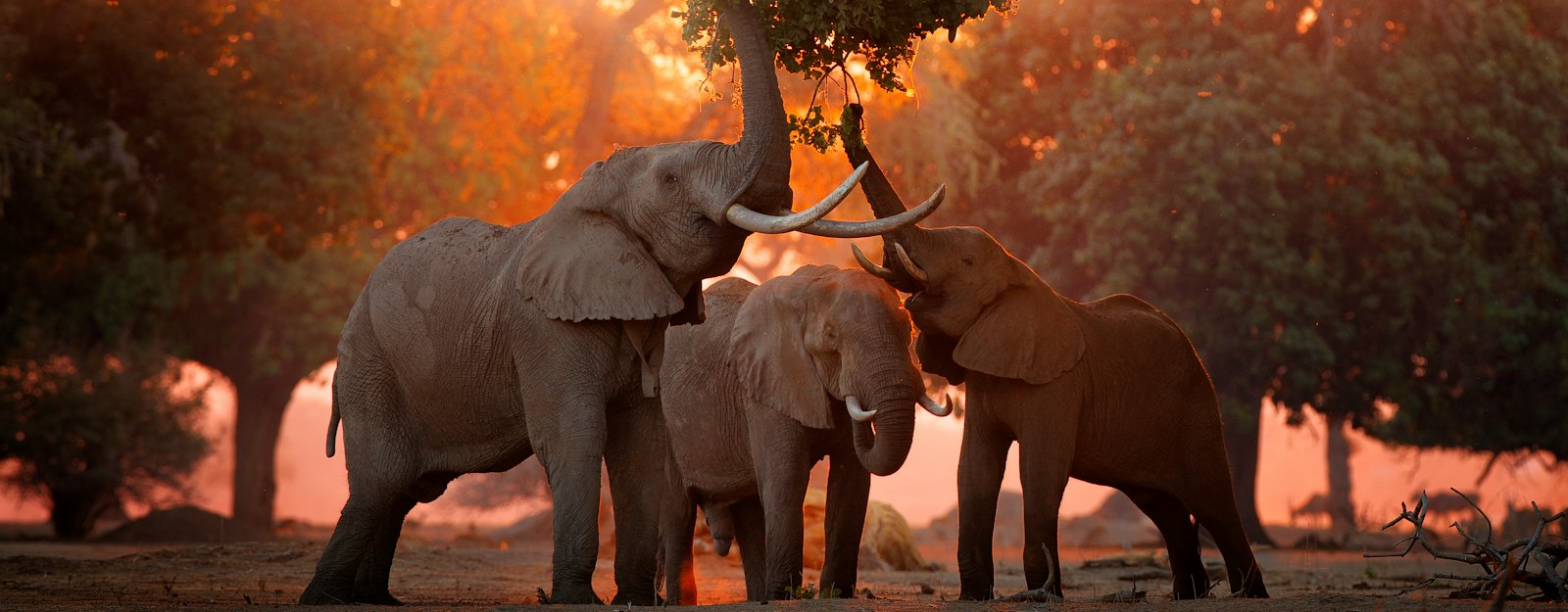
Zimbabwe is one of Africa’s most rewarding safari destinations, yet it often sits in the shadow of its better-known neighbours. The country holds Africa’s second-largest elephant population, along with vervet monkeys, abundant plains game and a wealth of birdlife. Add spectacular scenery, a mild climate and welcoming people, and you have the makings of an exceptional safari.
Below is an overview of what a Zimbabwean safari involves, when to travel, and the seven places worth building a trip around.
What Makes a Safari in Zimbabwe Different?
Zimbabwe now stands alongside Zambia and Botswana as a destination known for exclusive experiences and striking landscapes. Wildlife is plentiful and guiding standards are high, with memorable sightings and a strong range of lodges on offer. Getting around has also become much simpler: the country’s light aircraft network connects its main regions and camps, so travelling between areas takes far less time and effort than it once did.
When to Visit for a Safari
The dry season, from May to October, is the best window for a Zimbabwe safari.
Warm, sunny days and cool nights create near-ideal conditions for game viewing, whether you choose a walking safari, a horseback safari or a photographic one. As vegetation thins out, animals gather around shrinking water sources. Black rhino retreat to the shade of large rocks and trees, elephant herds congregate at waterholes, and colourful birdlife fills clear skies.
The dry months reshape the landscape across Hwange National Park, Victoria Falls, Lake Kariba and Mana Pools, which means more productive game viewing across the course of each day.
The Seven Best Places to Safari in Zimbabwe
- Hwange National Park
- Victoria Falls
- Matetsi Private Game Reserve
- Lake Kariba
- Mana Pools
- Malilangwe Wildlife Reserve
- Matobo Hills
1. Hwange National Park
Zimbabwe’s largest national park brings together the Kalahari’s subtropical sand flats in the south with dense teak forest and granite hills in the north. In 2022, two white rhino were reintroduced here by Imvelo Safaris after a 17-hour journey across the country — the first of their kind to call Hwange home in decades. A visit to Imvelo Ngamo Wildlife Sanctuary now offers the chance to see the Big Five.
There is plenty to fill your days, in either the green or dry season. Set out on an early morning game drive and you may find a pride of lions resting beneath acacia trees. The restored Elephant Express offers another way to watch wildlife, including large buffalo herds, while birdlife circles above the tented camps.
2. Victoria Falls
No trip to Zimbabwe feels quite complete without Victoria Falls. This UNESCO World Heritage Site ranks among Africa’s most celebrated attractions, and walking the misty gorge as the water thunders into the depths below is a genuinely arresting experience.
Zambezi National Park is one of the finest additions to any visit here. Mopane woodland and forest shelter African wild dogs and giraffes, alongside crocodiles and hippos, while waterbuck, bushbuck, impala and sable antelope roam freely across the varied terrain.
Because the falls sit on the border between Zimbabwe and Zambia, you are well placed for further safari adventures — Chobe National Park lies less than 62 miles away. Batoka Gorge and Devil’s Pool are two more natural attractions worth seeking out.
3. Matetsi Private Game Reserve
Matetsi Private Game Reserve covers 136,000 acres near Victoria Falls, and Matetsi Safari Lodge pairs high-end accommodation with remarkable wildlife encounters. Giraffes move gracefully through thick vegetation, and clawless otters and bat-eared foxes roam the reserve.
A walking safari here is also a chance to learn about the lodge’s conservation and community work. Over six years, the team re-established a road network that both deters poaching and improves game viewing, and installed 16 solar-powered boreholes to create reliable waterholes — all of which adds up to a more authentic safari.
4. Lake Kariba
Fish eagles call across the water at Lake Kariba, where shimmering stretches are framed by mountains and forest. A boat trip here is a quietly spectacular way to spend a morning or afternoon: antelope come down to drink at the water’s edge, while Nile crocodiles bask on distant sandbanks.
On the southern shore, Bumi Hills Safari Lodge sits high on a hill with sweeping views over the island-studded lake, complete with an infinity pool that seems to spill straight into the landscape.
5. Mana Pools
Mana Pools lies northeast of Lake Kariba and is well worth including in any Zimbabwe itinerary. The national park, a UNESCO World Heritage Site, offers undisturbed wildlife watching amid dramatic scenery, with wild dogs, rich birdlife and the Big Four among the highlights.
Nyamatusi Camp, run by African Bush Camps, is a good example of how tourism and conservation can work together here. The camp partners with local communities to improve quality of life and supports conservation work that gives wildlife a better environment in which to thrive.
6. Malilangwe Wildlife Reserve
In Zimbabwe’s southeast, Malilangwe Wildlife Reserve protects a biodiverse habitat with globally significant populations of both white and black rhino. The Malilangwe Trust introduced the animals in 1998 and has since developed a model that balances conservation with community development, giving the reserve’s wildlife a sustainable long-term sanctuary.
The name Malilangwe translates roughly as ‘call of the leopard’, and these solitary cats are found in good numbers across the 100,000 acres of pristine bushveld. At just 124 miles from the South African border, the reserve also pairs neatly with a wider southern African trip.
7. Matobo Hills
Southern and eastern Zimbabwe offer plenty to do, from birdwatching to game drives. In Matobo Hills, another UNESCO World Heritage Site, Bushmen left paintings of giraffes and white rhinos across some 3,000 rock art sites.
Matobo National Park is known for its concentration of eagles, including black eagles and African hawk eagles, as well as the rare Cape eagle owl. A safari here might bring sightings of zebra, common duiker and monkeys, among much else — enough to rank Matobo among Zimbabwe’s best places for authentic game viewing.