Destinations · 27 May 2026
Best Time to Visit Patagonia
Patagonia is one of the world's last great wildernesses. Stretching across the southern reaches of Argentina and Chile, it takes in jagged peaks, colossal glaciers, windswept plains and lakes of startling blue. The regio
Best Time to Visit Patagonia
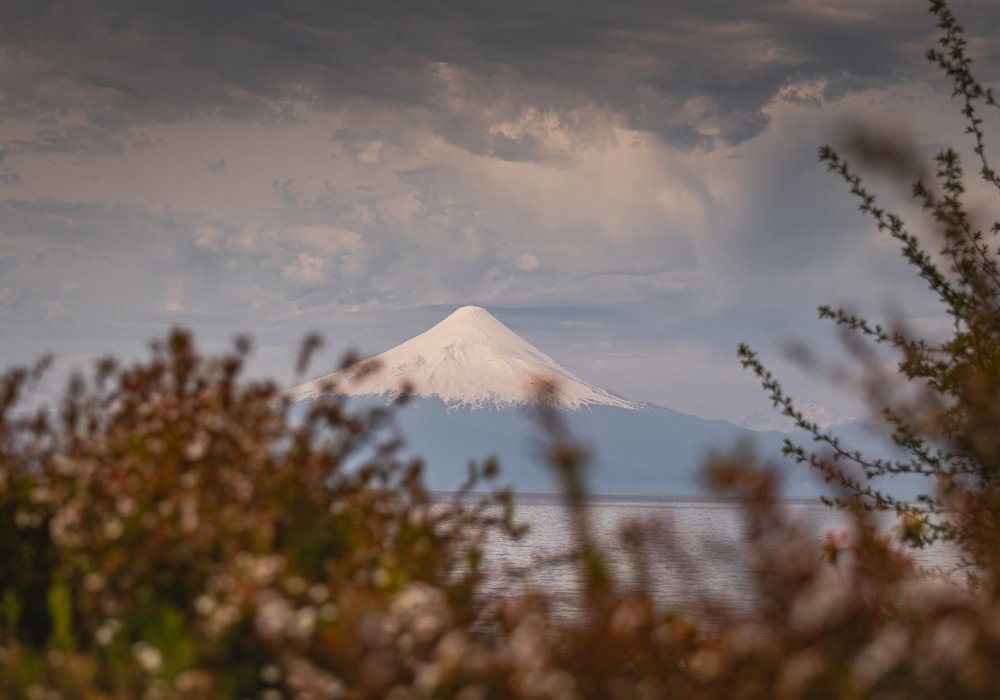
Patagonia is one of the world’s last great wildernesses. Stretching across the southern reaches of Argentina and Chile, it takes in jagged peaks, colossal glaciers, windswept plains and lakes of startling blue. The region divides into two distinct areas — Argentine Patagonia and Chilean Patagonia — and deciding when to go depends entirely on what you hope to see and do.
Each season offers a different version of Patagonia: prime hiking weather, autumn colour, spring wildflowers or the deep quiet of winter. The guide below covers all four seasons, followed by a month-by-month breakdown of conditions.
Note: because Patagonia is so vast, the weather figures below use Torres del Paine as a reference point, allowing for a fair comparison across the year.
Seasons in Patagonia at a Glance
- Spring: September–November
- Summer: December–February
- Autumn: March–May
- Winter: June–August
Spring in Patagonia (September–November)
Best for: wildflowers, newborn wildlife, quieter trails
Spring brings the landscape back to life. Wildflowers in yellow, purple, pink and indigo push through ground that has only recently thawed, and wildlife becomes noticeably more active. Magellanic penguins, guanacos and Culpeo foxes are all on the move as the temperate rainforests, mountains and plains reawaken.
Trails are generally quiet at this time of year, sometimes leaving you alone with the scenery. If you don’t mind cooler temperatures, spring rewards those willing to brave them.
Summer in Patagonia (December–February)
Best for: classic hiking, long daylight hours, lively atmosphere
Summer is peak season, and for good reason. Warmer weather and clearer skies make this the strongest period for hiking and wildlife watching. Sunlight catches the vividly coloured lakes, which mirror peaks such as Cerro Torre and Fitz Roy. A boat trip here is well worth the time, and the ever-shifting Perito Moreno Glacier becomes more accessible for viewing — though it remains bitingly cold even from a distance.
One word of warning: even in summer, it isn’t unusual to experience all four seasons in a single day. It’s a phrase you’ll hear often from locals.
Autumn in Patagonia (March–May)
Best for: fiery foliage, photography, fewer visitors
Autumn strikes a balance between summer’s warmth and spring’s greenery, which arguably makes it the finest season for hiking. Forests turn vivid orange, deep red and gold, set against white mountain tops and electric-blue lakes.
Further into the wilderness, the landscapes grow wilder still — from the marble caves of Lago General Carrera to the journey towards the glittering San Rafael Glacier. The scenic Hunter’s Trail is a fine choice in this period, with good chances of spotting guanacos and, if you’re fortunate, an elusive puma.
Winter in Patagonia (June–August)
Best for: solitude, snow-covered scenery, a wilder edge
Many lodges close for winter, but the season still offers a distinctive experience. Skiing is excellent around Bariloche in the Lake District, where Cerro Catedral is the largest ski resort in South America. The town itself has an alpine feel, with wooden lodge-style buildings overlooking Lake Nahuel Huapi. Victoria Island and the Arrayanes Forest lie under a thick blanket of snow.
Alternatively, you can trade Patagonia’s cold for the warmth of the Atacama Desert, where dry weather and clear skies create outstanding conditions for stargazing.
Month-by-Month Guide to Patagonia’s Weather
January
Summer continues; warmer, longer days and less rainfall
- Daylight in Torres del Paine: 16 hours
- Temperature: 15°C highs / 4°C lows
- Precipitation: 45mm
January sits at the height of summer, widely regarded as the best time of year to visit. Longer days, warmer temperatures and lighter rainfall suit hiking, kayaking and wildlife spotting. The rugged terrain around Pehoé Lake offers superb views, with the waters reflecting the towering Paine Grande. Do note that the holiday season is under way in both Chile and Argentina, so travel is busier.
February
End of summer; crowds thin as the month goes on
- Daylight in Torres del Paine: 14.4 hours
- Temperature: 15°C highs / 7°C lows
- Precipitation: 43mm
As temperatures ease towards the end of the month, you can enjoy Patagonia with fewer travellers than in December or January. Quieter trails improve your chances of seeing wildlife. Female pumas hunt actively to feed their cubs, while guanacos scan the slopes from higher ground for any sign of the big cat.
Birdlife is abundant too — the Andean condor among them, whether soaring over open grassland or descending to forage in the southern beech forests. Longer summer days give you more time to watch.
March
Start of autumn; leaves turn red and brown
- Daylight in Torres del Paine: 12.5 hours
- Temperature: 14°C highs / 6°C lows
- Precipitation: 50mm
By March, Patagonia is painted in rich reds and browns as autumn colour sweeps over summer’s dried yellows and greens. It’s a fine time to walk the W Trek, from the Base of the Towers through French Valley to Grey Glacier.
Grey Glacier is especially striking, its brilliant blues contrasting with the deep chestnuts of the lenga and ñire trees. A guided boat trip brings you close enough to appreciate the sheer scale — and cold — of the ice. Rainfall remains unpredictable, so pack a waterproof jacket.
April
Autumn in full swing; cooler temperatures and lower winds
- Daylight in Torres del Paine: 10.6 hours
- Temperature: 11°C highs / 4°C lows
- Precipitation: 61mm
April ranks among the best months for hiking. Winds are lower at this time of year, making for more comfortable trekking. El Chaltén is one of the most popular bases, with a trail leading to the foot of the legendary Fitz Roy. The route passes through beech and ñire forest along the Río Blanco, lit up in golds, oranges and reds, before reaching a viewpoint over Piedras Blancas Glacier.
Your reward at the top is a flawless view of the Fitz Roy Massif, the lagoon and its glaciers.
May
End of autumn; the season shifts towards winter
- Daylight in Torres del Paine: 8.9 hours
- Temperature: 8°C highs / 2°C lows
- Precipitation: 59mm
Frosty conditions set in as the last of the autumn colour fades and winter takes hold later in the month. Southern Patagonia grows much quieter in May, with accommodation closing. Heading north is the better option: the Atacama Desert can be visited year-round, as can Salar de Uyuni in Bolivia or the Amazon Rainforest in Brazil.
Snow begins to appear in light patches, and conditions swing between clear skies and sharp drops in temperature. For those willing to brave the cold, the rewards lie in the north.
June
Start of winter; snow begins to cover southern Patagonia
- Daylight in Torres del Paine: 8 hours
- Temperature: 5°C highs / 1°C lows
- Precipitation: 57mm
The reds and browns give way to white as snow blankets the far south.
Three hiking routes remain open: Base of the Towers, French Valley and Grey Peninsula. All are very challenging at this time of year and require a guide. With June offering the fewest daylight hours of the year, careful planning and a good level of fitness are essential. Those who do visit in winter are rewarded with landscapes so still and peaceful they seem suspended in time.
Be aware that icy conditions lead many accommodation providers to close in June.
July
Winter takes hold; some areas become ski resorts
- Daylight in Torres del Paine: 8.3 hours
- Temperature: 5°C highs / 0°C lows
- Precipitation: 52mm
With snow fully settled, places such as Bariloche transform into ski resorts. Cerro Catedral is the largest in the region, with more than 120km of slopes across 600 hectares. It suits both experienced and beginner skiers, and instructors are on hand to help you find your feet.
Other winter activities include snowboarding, snowshoeing and snow biking.
August
End of winter; skiing and snowshoeing remain excellent
- Daylight in Torres del Paine: 9.8 hours
- Temperature: 6°C highs / 1°C lows
- Precipitation: 55mm
Later in August, Patagonia begins to stir from hibernation, gradually shedding its winter coat for a hint of green. With an expert guide, you can explore hidden, snow-dusted trails that glitter in the morning light.
Snowshoeing is another option. Ascending Bariloche, you may spot Andean condors overhead and Magellanic woodpeckers tapping at the surrounding lenga trees. Reach Filo las Cabras for impressive views of Cerro López, Nahuel Huapi Lake and the Llao Llao area.
September
Start of spring; cool temperatures and high winds
- Daylight in Torres del Paine: 11.7 hours
- Temperature: 9°C highs / 2°C lows
- Precipitation: 43mm
A fresh green washes over the Patagonian terrain in September. Estancias and lodges begin reopening, welcoming the first visitors of the early season. Expect cool temperatures and high winds as spring officially begins.
As in February, fewer people on the trails means better wildlife sightings. A Culpeo fox surrounded by blooming flowers is an image that stays with you. Rainfall eases from the previous month, further improving your chances.
October
Spring continues; more visitors arrive
- Daylight in Torres del Paine: 13.6 hours
- Temperature: 11°C highs / 3°C lows
- Precipitation: 52mm
October shows clearer signs of spring, with growing numbers on the hiking trails, though temperatures remain relatively low and high winds are common in places such as Torres del Paine. Longer days give you more time to explore the national park, with its glaciers, waterfalls, lagoons and lakes.
Your first glimpse of Los Cuernos — three granite pillars rising more than 2,000m above the Patagonian Steppe — is a moment to treasure. Spring also brings superb photography, with the vivid Chilean firebush in bloom.
November
End of spring; early signs of summer
- Daylight in Torres del Paine: 15.4 hours
- Temperature: 13°C highs / 4°C lows
- Precipitation: 48mm
November offers a sweet spot where spring and summer overlap, bringing dramatic scenery and warmer temperatures for exploring. You may encounter other travellers, but attention tends to stay on the green landscapes contrasting with the white, rugged mountains.
Hikes worth noting include the W Trek, the O Circuit and lesser-known routes such as Rupestre and the trail to Mirador Cuernos. Rupestre takes around 30 minutes and offers good chances of seeing condors, pumas and Magellanic woodpeckers, while Mirador Cuernos rewards you with panoramic views over Lake Nordenskjöld.
December
Start of summer; long days make for excellent hiking
- Daylight in Torres del Paine: 16.5 hours
- Temperature: 14°C highs / 6°C lows
- Precipitation: 48mm
December is peak season and, for many, the best time of year to visit Patagonia. It brings the longest days, some of the warmest temperatures and low rainfall. Rainfall patterns do vary by location, though: further south in Tierra del Fuego, this is often the wettest time of year, while the Valdés Peninsula is quite the opposite.
How you spend the time is up to you — watching elephant seals flop along the coast or ice trekking across the vast Perito Moreno Glacier. Note that December falls in the holiday season, so national parks see more local visitors.
Frequently Asked Questions
What is the average temperature in Patagonia?
Patagonia is a complex geographical region, spanning the lush forests, volcanoes and lakes of the north through to the rugged Andean peaks, glaciers and fjords of the south. There is no single average temperature. Conditions vary considerably depending on where you go and when.
What is the best month for whale spotting in Patagonia?
September, October or November.
What is the best month for hiking in Patagonia?
It depends on what you want from the experience. Summer (December–February) offers excellent hiking weather, autumn (March–May) brings beautiful colour, and spring (September–November) provides fantastic wildlife-watching conditions.