Wildlife & Nature · 8 November 2019
Durrell's Miniature Monkey Mission
Gerald Durrell's name is inseparable from wildlife conservation. The trust he established in 1963 continues today as Durrell Wildlife Conservation Trust, carrying forward its founding aim: pulling species back from the e
Durrell’s Miniature Monkey Mission
A Wildlife Park with a Purpose
Gerald Durrell’s name is inseparable from wildlife conservation. The trust he established in 1963 continues today as Durrell Wildlife Conservation Trust, carrying forward its founding aim: pulling species back from the edge of extinction.
At the heart of that work sits Jersey’s Durrell Wildlife Park, home to roughly 120 species, most of them endangered in the wild. Gerald Durrell founded the park in 1959 and it became the base for his conservation charity four years later. From the outset, it was never intended simply as a visitor attraction. Durrell envisioned it as an ark for threatened and overlooked creatures, recognising that the smaller, less glamorous animals are essential threads in the wider web of ecosystems that sustain life on Earth.
The Smallest Relatives
Tamarins and marmosets – the Callitrichidae family – are among humanity’s tiniest relatives. All 41 species hail from South America’s heavily exploited rainforests, where hardwoods are felled, cattle pasture replaces woodland and cities continue to spread. These miniature monkeys are precisely what the ark was designed for. Wander through Durrell and you may well find yourself amid golden lion tamarins – a sight you would be fortunate to encounter even in their native Brazil.
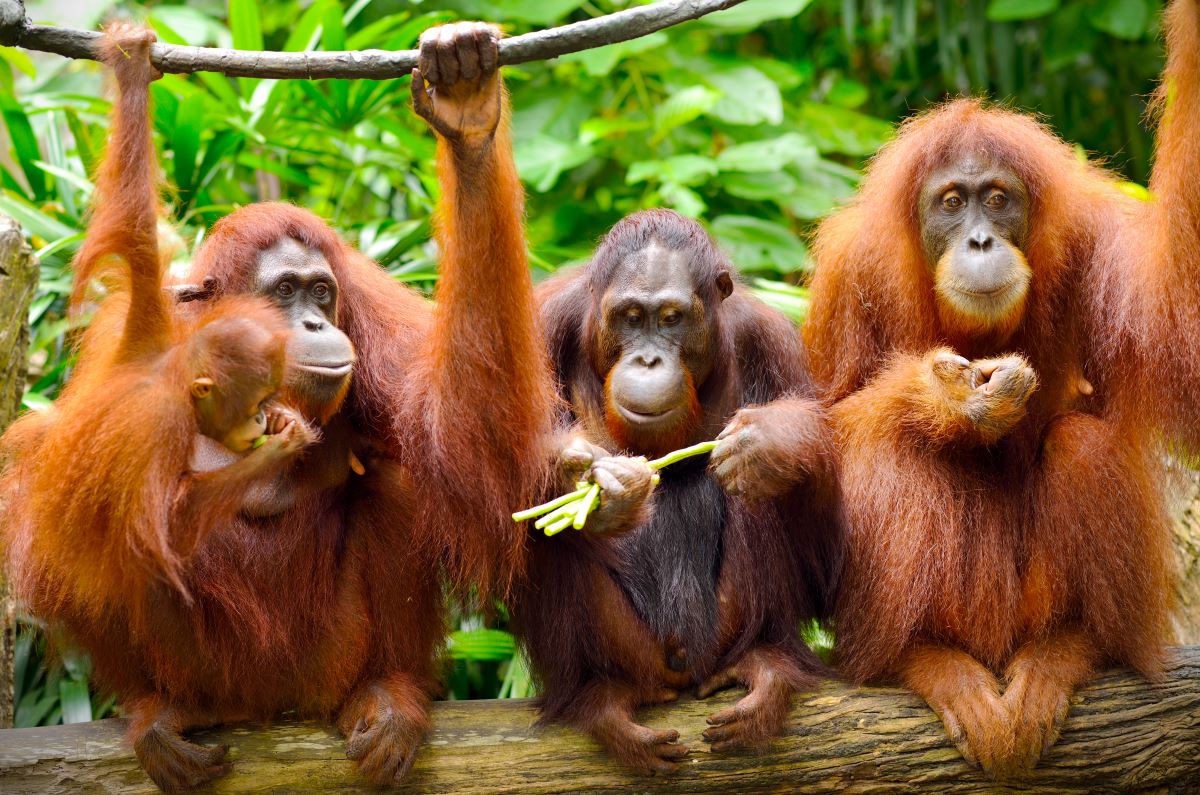
“Surrounded” is no overstatement. After visiting the park’s well-known Sumatran orangutan family – familiar from several television documentaries – a short stroll brings you to a green valley where century-old branches arch over sunlit pathways. A rustle overhead could belong to a visiting treecreeper, a native red squirrel, or one of three species of South American tamarin monkey, moving entirely free and behaving just as they would in the wild.
Their calls are high and bird-like, suited to carrying through dense foliage. With no cages or fences here, they chatter to one another exactly as they would in the Colombian or Brazilian jungle.
Lessons Learned in Jersey
Durrell’s involvement with tamarins reaches far beyond the island. Having cared for various species at the park for more than a quarter of a century, staff have built up deep knowledge of these small but vital monkeys.
Breeding success in Jersey is arguably unmatched anywhere, given how much wild habitat has been lost. When South American rescue centres published tamarin data over a decade ago, they recorded an average life expectancy of four years. Through careful study and attentive care, many of Durrell’s tamarins have lived past 21, producing numerous offspring for the captive conservation population.
Unlike many species, captive-bred tamarins can – and do – return to the wild. Letting them grow up in wooded family groups ensures they acquire and practise all the life skills a wild tamarin family needs. Some golden lion tamarin populations still found in Brazil today trace their ancestry to Jersey-bred animals. Yet despite these efforts, not every tamarin species is out of danger.
The Black Lion Tamarin’s Struggle
One species in particular, the black lion tamarin of Brazil’s interior Atlantic rainforest, faces grave difficulties both in the wild and in captivity. Unable to cross the cleared ground where forest once stood, family groups are trapped in tiny fragments, cut off from one another and slowly inbreeding their way towards poorer health, weakened disease resistance and, ultimately, no chance of survival.
Durrell and its Brazilian field partner, the Instituto de Pesquisas Ecológicas (IPE), have spent the past decade addressing this. Local landless workers are employed to plant tree corridors that reconnect tamarin habitats across the landscape. More than eight million trees have been planted so far, linking research stations back to Morro do Diabo State Park, which holds the largest remaining wild population of black lion tamarins. Even so, the entire wild population stands at fewer than 1,000 individuals.
Why Support Matters
The captive situation is more desperate still. Durrell now holds the last unrelated breeding pair outside South America. Fresh genetic material is urgently needed for the breeding programme, and obtaining it will mean costly importation from Brazil. Durrell and the tamarins it cares for need backing to make that possible.