Wildlife & Nature · 19 December 2025
Eastern Cape Safari Guide: How it Compares to Kruger and Where to Stay
Waking on a private lodge deck with coffee in hand as elephants wander across the plain below is the kind of unhurried safari moment the Eastern Cape does particularly well. South Africa offers enormous variety — from Ca
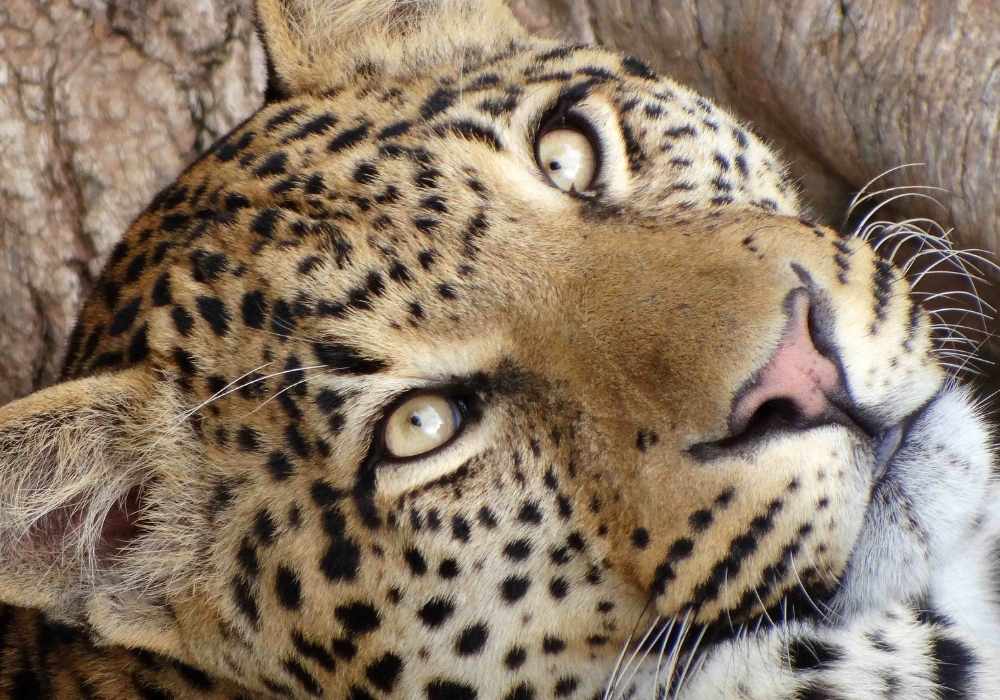
Eastern Cape Safari Guide: How It Compares to Kruger and Where to Stay
Waking on a private lodge deck with coffee in hand as elephants wander across the plain below is the kind of unhurried safari moment the Eastern Cape does particularly well. South Africa offers enormous variety — from Cape Town’s cosmopolitan streets to the legendary game viewing of Kruger National Park — yet the Eastern Cape remains largely overlooked by international visitors, despite its long white beaches, towering sand dunes, rolling farmland, mountain ranges and river gorges.
It also happens to be an excellent safari destination. Whether you travel via the rugged Karoo plains or the lush Tsitsikamma Forest along the Garden Route, you can search for abundant wildlife in the region’s reserves: the Big Five — lion, leopard, elephant, rhino and buffalo — alongside giraffe, zebra and antelope.
Where Is the Eastern Cape?
The Eastern Cape lies along South Africa’s southern coast on the Indian Ocean, bordered by the Western Cape, Northern Cape, Free State, Lesotho and KwaZulu-Natal. Its position makes touring the lower half of the country straightforward, with plenty of cultural interest along the way. Main cities and towns include Port Elizabeth (Gqeberha), East London and Makhanda (Grahamstown).
There are no direct flights from the UK to Port Elizabeth Airport. Most itineraries begin with an overnight flight from London to Johannesburg or Cape Town, followed by a connecting flight to your chosen regional airport.
Why Choose the Eastern Cape for a Safari
The Eastern Cape suits families and first-time safari-goers especially well. Its reserves are malaria-free, the scenery and wildlife are varied, and activities such as game drives are tailored to visitors who are new to the bush. It is also a year-round destination, so wildlife viewing remains rewarding whatever the season.
Days here tend to unfold slowly. Antelope move quietly through golden grassland while a distant lion’s roar hints at wilder country beyond. Game drives linger at striking sightings rather than rushing on, and evenings bring you back to comfortable lodges where open decks, generous dining and warm hospitality frame the surrounding bush.
Wildlife, including the Big Five, is generally relaxed around safari vehicles. Pumba Private Game Reserve, for instance, is known both for leopard sightings and for its rare white lions, with conservation work under way to broaden the big cats’ gene pool. A safari here also combines naturally with time in Cape Town and along the Garden Route, where beaches, lakes, rivers, indigenous forest and mountain scenery offer a gentle contrast to wildlife watching.
Where Are the Best Eastern Cape Game Reserves?
Four reserves stand out:
- Kariega Game Reserve — winding river valleys where morning coffee comes with panoramic views over the bush
- Shamwari Private Game Reserve — elegant lodges offering spa treatments, fine dining and immersive conservation experiences
- Addo Elephant National Park — vast bushveld where elephants roam against wide, open horizons
- Kwandwe Private Game Reserve — intimate safaris with quiet predator encounters and unhurried time in the bush
It is entirely possible to base a varied trip in the Eastern Cape alone. The reserves and private concessions sit relatively close to Port Elizabeth — roughly a two-hour drive — which makes travelling between them easy. Kariega Game Reserve, in the Kariega River Valley, is just 15 minutes from the Sunshine Coast beaches at Kenton-on-Sea if you fancy seaside downtime after your safari. The whole area is malaria-free.
Addo Elephant National Park supports more than 600 elephants, making it one of the most densely populated elephant areas in Africa. From your 4x4 you can watch the herds move through lush forest or wallow in a mud bath — a heartening sight given that only 11 individuals remained in 1931.
Shamwari Private Game Reserve spans five ecosystems, where a wide range of plant, bird and animal life — spoonbills and hippos among them — coexists. Kwandwe Game Reserve covers approximately 20,000 hectares of undulating wilderness, its dense valley bushveld studded with giant euphorbias and aloes. Wildlife here ranges from wildebeest to lion, wild dog, rhino and giraffe, and additional conservation projects such as rhino monitoring are sometimes available to guests.
Where to Stay on an Eastern Cape Safari
Accommodation across the region covers family-friendly, romantic and luxurious options, so it helps to be clear about the experience you are after before choosing.
If waking to wide views of nature appeals, Amakhala Safari Lodge is a strong fit: a safari hut overlooking a waterhole, with chances to spot smaller game. Morning game drives begin as the landscape warms, your guide pausing to read fresh tracks and lingering at your first wildlife encounter. By night, candlelit dinners take place under star-filled skies while the sounds of the bush carry across the reserve and nocturnal creatures emerge.
Other options include Pumba Game Reserve, where you can stay in a water lodge beside a lake, and Settlers Drift, which overlooks wildlife on two rivers and has an infinity-edge pool looking out across the plains.
Adventure and Activities
An Eastern Cape safari delivers real adrenaline. Guided bush walks, game drives and river cruises immerse you in rugged, unforgiving country that shelters a remarkable range of flora and fauna. Alongside walking safaris and 4x4 wildlife watching, you can go birdwatching, stargazing or horseback riding. The region packs natural, cultural and historical interest into a relatively small area — a microcosm of South Africa as a whole.
After your safari, the coast is the natural place to unwind, whether that means time on the beach, coastal hikes or visits to local cultural sites.
Eastern Cape Safari vs Kruger: What’s the Difference?
A Kruger safari offers reliable game sightings in a wild, rugged ecosystem on a grand scale. The Eastern Cape offers something more intimate.
Eastern Cape: Smaller reserves, fewer vehicles and a slower pace mean you can linger longer at a sighting. Encounters feel personal and unhurried, helped by malaria-free conditions, varied landscapes and cosy lodges that put comfort and calm at the centre of the wilderness experience.
Kruger: A classic African safari writ large. Vast plains and varied ecosystems create a powerful sense of adventure, with legendary Big Five sightings and an untamed energy that speaks to safari tradition and the thrill of covering enormous, wildlife-rich territory.
Who is Kruger for? Couples particularly. A Kruger itinerary pairs well with time on Mozambique’s coast, and offers a strong chance of spotting the Big Five, along with the big cats of the Sabi Sand Game Reserve.
Who is the Eastern Cape for? Families especially. Combining Cape Town with an Eastern Cape safari works well for a half-term break, balancing city exploration with the thrill of an off-road wildlife adventure.
Our verdict: choose Kruger for a classic safari experience, and the Eastern Cape for an alternative approach to wildlife watching, with the added advantage of easy access from Cape Town or the Garden Route.