Destinations · 2 September 2024
Exploring Chile's Southern Patagonia in the Shoulder Season
Southern Patagonia is one of the world's most striking natural landscapes, defined by jagged, horn-shaped peaks that rise above glassy glacial lakes. For travellers willing to look beyond the peak summer months, the autu
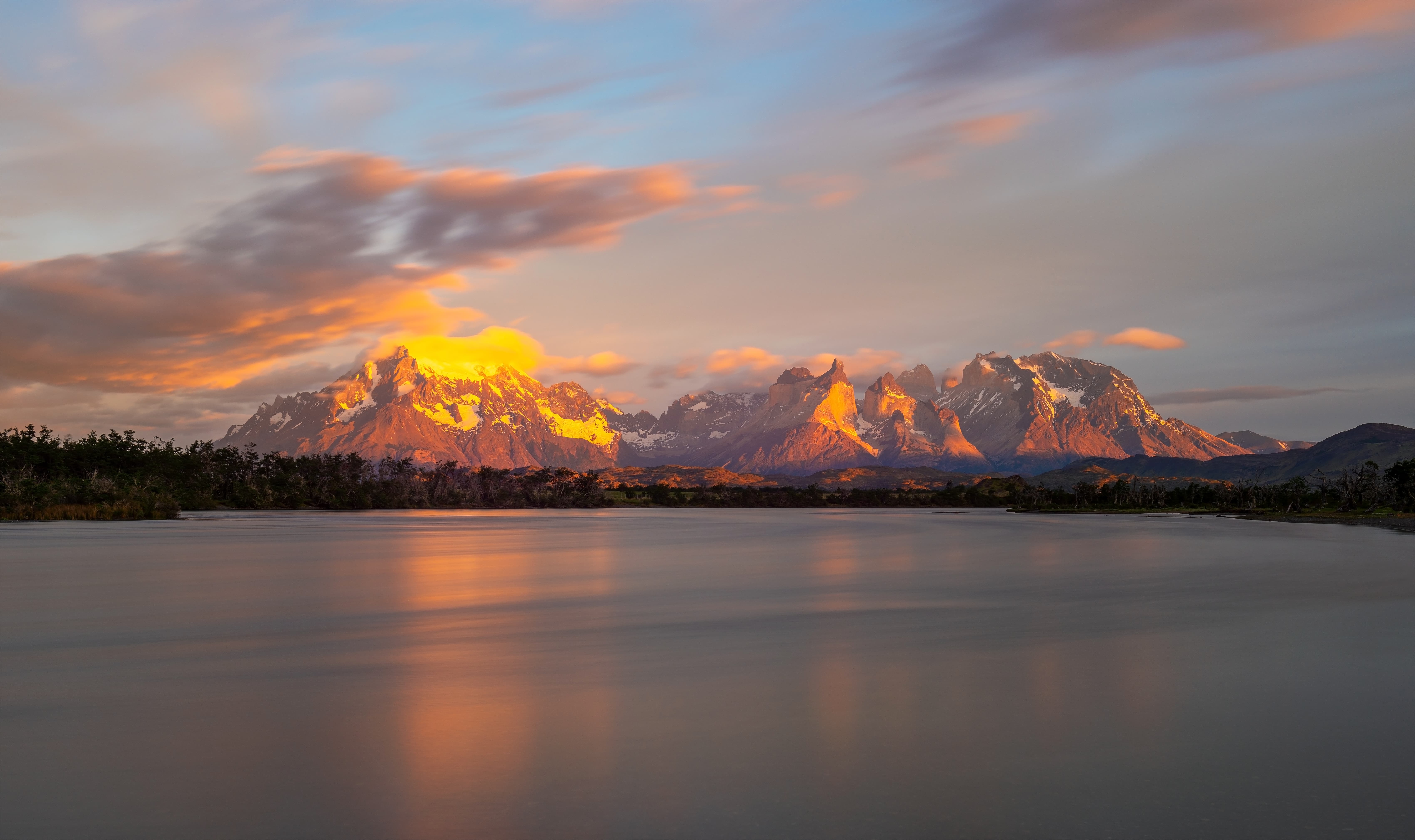
Chile’s Southern Patagonia in the Shoulder Season: A Guide to Autumn Travel
Southern Patagonia is one of the world’s most striking natural landscapes, defined by jagged, horn-shaped peaks that rise above glassy glacial lakes. For travellers willing to look beyond the peak summer months, the autumn shoulder season offers a compelling alternative — and one that rewards visitors with fewer crowds, softer light and a landscape in transition.
Why Visit Patagonia in Autumn?
Patagonia has something to offer throughout the year, and each season brings its own character.
- Spring (September to November): Wildflowers bloom and wildlife returns to the region.
- Summer (December to February): Warmer temperatures and clearer skies define the peak season.
- Winter (June to August): Many lodges close, though some unique experiences remain available.
- Autumn (March to May): A balance between summer’s warmth and spring’s greenery.
Autumn is when the lenga trees turn vivid shades of red, orange and gold, transforming the already dramatic scenery. Winds tend to be milder and visitor numbers lower. Daylight averages around 10.5 hours across the season, and daytime temperatures generally sit between 9°C and 16°C.
Southern Patagonia feels noticeably more remote than its northern counterpart and the Lake District. Where the north has green forests and picturesque lakes, the south offers craggy peaks and glistening glaciers.
Where to Explore in Southern Patagonia
Torres del Paine National Park
Torres del Paine is the region’s headline attraction and a favourite among hikers, with trails suited to a range of fitness levels. The demanding Base Las Torres route delivers the park’s iconic tower views, while the Valle del Francés offers a gentler but equally scenic alternative. Wildlife enthusiasts should consider the Hunter’s Trail, where guanacos are commonly spotted — and, with a little luck, pumas too.
Autumn is arguably the finest time to walk here. Summer brings higher average daytime temperatures, but autumn’s shifting colours make the landscapes especially spectacular. Expect glassy reflections in icy lakes and streams, trees glowing red and yellow, snow-capped peaks in the distance, waterfalls tumbling into shimmering rivers, and broad expanses of orange grassland across the steppe.
Río Grey and Río Serrano
For a slower-paced experience, boat trips along the Río Grey or Río Serrano offer close views of Grey Glacier and Serrano Glacier. Vessels navigate the glacial waters towards towering crystalline ice formations, passing lush forest and jagged peaks along the way, with the Serrano River Falls as a highlight. The reward at the end of the journey is a wall of blue and white ice rising above the lake, accompanied by the roar of icefalls breaking below the surface.
Autumn’s daylight hours and cooler temperatures create excellent conditions for combining a boat trip with kayaking. Paddlers can head out on the Grey River for views of the Paine massif, or approach the Serrano Glacier closely enough to feel the cold radiating from the ice.
Laguna Azul
Laguna Azul is one of the region’s most rewarding excursions, combining wildlife watching with waterfalls and easy walking. An accessible trail circles the blue lake, and a short climb leads to a lookout with a sweeping view over the water. It is worth pausing regularly along the route to take in the surroundings: the granite horns that gave the lake its name are visible from almost everywhere, while the shrubby steppe and dense forest shelter a variety of wildlife. Swans and flamingos glide across the water, and guanacos and rheas roam the autumn landscape. After the W Trek, Laguna Azul is one of the best ways to experience the wilderness of Torres del Paine.
Practical Tips for a Shoulder Season Trip
Stay close to the park
Basing yourself in or near Torres del Paine National Park makes the best trails easily accessible. The Las Torres and El Chileno routes reward walkers with views of Torre Lake and the three surrounding towers. The Grey Glacier trail offers a close encounter with the ice — and a genuine test of hiking stamina. The Sierra Masle trail follows the route taken by Florence Dixie, the British traveller and writer who first journeyed here in 1878, passing ancient coigues, ñirres and lengas.
Accommodation within the park ranges from lodges in the east overlooking Lake Sarmiento to others positioned centrally among diverse ecosystems.
Pack for four seasons in one day
Layers are essential. A waterproof jacket and windbreaker are wise choices, as rain is always possible, and temperatures can rise sharply at different times of day. A local saying captures it well: in Patagonia, you can experience four seasons in a single day.
Time your visit for penguins
Penguin sightings are best between November and March. Five species can be found across the region, from Punta Arenas to Tierra del Fuego: Magellanic, gentoo, southern rockhopper, king and Humboldt.
On the rural island of Chiloé, Puñihuíl is the only place in the world where Humboldt and Magellanic penguins share a mixed colony. Gentoo penguins are commonly seen near the Navarino Islands and Cape Horn, inhabiting coastal plains, sheltered valleys and cliffs. Southern rockhopper penguins, recognisable by their long bright yellow eyebrows, nest in locations such as Inútil Bay in Tierra del Fuego. King penguins have visited the shores of Tierra del Fuego for hundreds of years and can be seen on the grassy plains in the same area, reachable as a day trip from Punta Arenas.
Immerse yourself in the landscape
Autumn’s dramatic scenery is best experienced by slowing down and exploring the region’s varied ecosystems, whether on foot along Patagonia’s hiking trails or in search of wildlife. For a meaningful taste of the area, allow at least three nights as part of a wider trip through Chile — though there is enough to see and do here to fill as long as you can spare.