Wildlife & Nature · 1 April 2020
Choosing where to go on safari
Africa offers an extraordinary range of wildlife destinations, from famous national parks teeming with big game to remote wilderness areas where conservation is breaking new ground. Some countries are ideal for families
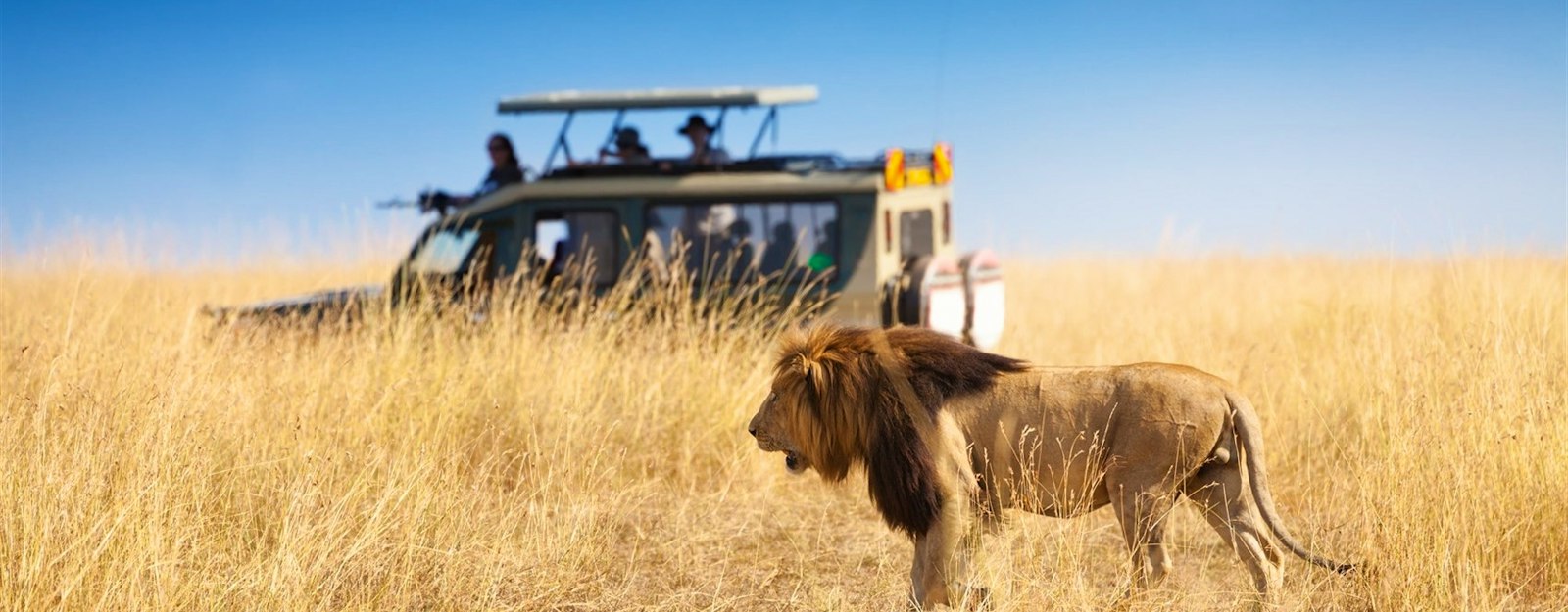
Choosing Where to Go on Safari
Africa offers an extraordinary range of wildlife destinations, from famous national parks teeming with big game to remote wilderness areas where conservation is breaking new ground. Some countries are ideal for families seeking malaria-free adventures, while others reward those willing to travel further afield. Accommodation ranges from boutique eco-lodges to seasonal bush camps, all without compromising on the wildlife experience.
Fourteen countries stand out as exceptional safari destinations. The following guide covers some of the strongest contenders, each offering something distinct.
South Africa
Kruger National Park in the subtropical northeast spans two million hectares and supports remarkable biodiversity: nearly 150 mammal species and more than 500 bird species. Further west, the Northern Cape’s Tswalu reserve is known for its habituated meerkats, while the oceans off the Western Cape attract great white sharks and migrating southern right whales. The malaria-free parks of the Eastern Cape are particularly well suited to family safaris.
Uganda
Bwindi Impenetrable National Park, cloaked in misty rainforest, shelters an estimated 320 mountain gorillas alongside colobus and blue monkeys and numerous rare forest birds. In the southwest, Queen Elizabeth National Park is home to over 100 mammal species and offers Uganda’s best chance of spotting leopard.
Kenya
Kenya’s 48 national parks deliver some of Africa’s most spectacular wildlife viewing. The Great Migration sees millions of wildebeest and zebra move through the Masai Mara, while Amboseli’s elephants are framed by a dramatic Kilimanjaro backdrop. At Lewa Wildlife Conservancy, visitors may encounter rare species including reticulated giraffe and Grevy’s zebra.
Botswana
Chobe National Park holds Africa’s largest elephant population, with great herds gathering along the Chobe River, shadowed by hungry lion prides. In the Okavango Delta, the Moremi Game Reserve protects a network of lagoons and waterways where all of the Big Five are found, along with hippos, crocodiles and 500 bird species.
Madagascar
Five per cent of the world’s animal and plant species exist only in Madagascar. The island is best known for its lemurs, ranging from the charismatic ring-tail to the peculiar aye aye, but its forests also conceal a wealth of unusual creatures: the cat-like fosa, the giant jumping rat, a dazzling variety of geckos and chameleons, and 110 bird species found nowhere else on earth.
Tanzania
Tanzania’s vast Serengeti hosts the Great Migration, with two million wildebeest and a following cast of predators tracking the seasonal rains. The Ngorongoro Crater, a UNESCO World Heritage Site, contains over 25,000 large animals within its walls: flamingos gather in pink flocks around the lakes, lions patrol the grasslands and leopards doze in the trees.
Zambia
Shaped by three great rivers, Zambia’s 19 untamed national parks are home to more than 750 bird species. Beyond Victoria Falls, the flood plains of the Lower Zambezi draw large elephant herds, while South Luangwa supports one of Africa’s highest concentrations of game, where lion and leopard prey on abundant herbivores.
Namibia
Wildlife across Namibia has adapted to the harsh conditions of its vast deserts and wilderness areas. During the dry season, thousands of animals converge on the waterholes of Etosha National Park, including elephant, lion and all the plains game. At Okonjima Nature Reserve, big cats thrive through the rehabilitation work of the AfriCat Foundation.