Wildlife & Nature · 25 April 2025
South Africa Family Holidays: Best Holiday Destinations for Family Safari Adventures
South Africa packs an extraordinary range of experiences into one country: the Big Five, vibrant cities, golden beaches and remarkable birdlife. Families can watch colourful species such as the Knysna turaco in Tsitsikam
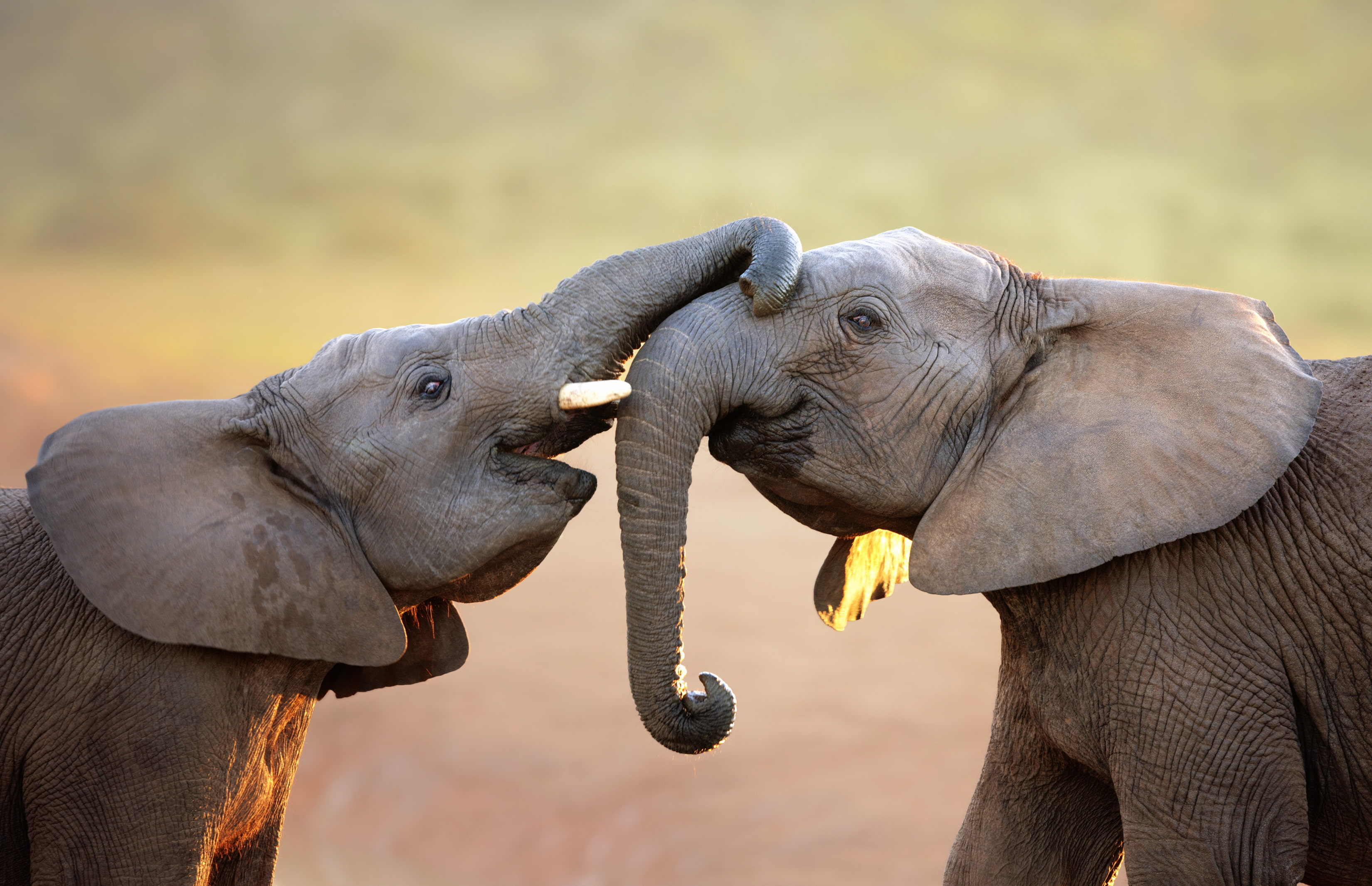
South Africa Family Holidays: Ten Destinations for an Unforgettable Family Safari
South Africa packs an extraordinary range of experiences into one country: the Big Five, vibrant cities, golden beaches and remarkable birdlife. Families can watch colourful species such as the Knysna turaco in Tsitsikamma, then head to Addo Elephant National Park in search of larger mammals. With wildlife encounters stretching from north to south, it is one of Africa’s finest destinations for a family adventure. Here are ten places worth building a trip around.
1. Cape Town
Cape Town suits families who want city energy alongside natural drama. The city offers craft markets, art galleries, boutiques and a superb restaurant scene, while the V&A Waterfront puts the unmistakable profile of Table Mountain right in front of you. Active families can hike to the summit.
Further south on the Cape Peninsula, Boulders Beach is home to a colony of penguins. Kayaking on the surrounding waters offers a close view of the birds as they move about the sand.
Robben Island is a worthwhile educational outing: Nelson Mandela spent 18 years of his 27-year sentence imprisoned there. A stay in Cape Town also pairs naturally with the Eastern Cape, where guided game viewing reveals giraffes, zebra, eland, wildebeest and troops of vervet monkeys.
2. Lalibela Game Reserve
Close to Addo Elephant National Park in the Eastern Cape, Lalibela Game Reserve is a conservation project spanning five natural ecosystems. It is malaria-free and home to the Big Five: lion, leopard, elephant, buffalo and rhino.
Game drives here take in a slice of the reserve’s 350 bird species, from elegant blue cranes to jackal buzzards, while predators such as cheetah and jackal roam across 10,500 hectares. Children can join educational activities, and families can take in views over the savannah grasslands while learning about the reserve’s conservation work.
3. Kruger National Park
Established in 1898 to protect big game in South Africa’s far northeast, Kruger National Park is among the world’s best-known wildlife destinations. Both black and white rhino live here: black rhino tend to favour the dense bush and thorny thickets of the south, while white rhino are found mostly in the woodlands between the Sabie and Crocodile rivers. Elephants, meanwhile, make the most of the tall grass and mud baths.
The park’s varied habitats support around 150 mammal species and 500 bird species. The south offers more varied landscapes and plentiful game, while the north is more remote, with distinctive scenery such as the fever tree forests near the Zimbabwe and Mozambique borders. Many lodges run dedicated children’s safari programmes, teaching younger visitors about wildlife protection and community work.
It is worth planning well ahead. Safari places at the best-quality camps are often booked up months in advance, so finalising plans six to twelve months before travel is advisable.
4. Waterberg
Waterberg remains one of South Africa’s quieter treasures. A three-hour drive north of Johannesburg, its red mountains, rocky outcrops and rugged gorges make a striking setting for a family holiday.
Elephant and hippo are among the big game found across its 12,000 hectares, while the Waterberg-Nylsvley Birding Route attracts species from the great egret to the black-billed barbet. The mix of malaria-free reserves, varied wildlife and children’s activities makes the area well suited to families. Options range from game drives in Welgevonden to wildlife viewing on horseback, and each nature experience has its own character.
5. The Garden Route
Stretching roughly 300 kilometres between Mossel Bay and the mouth of the Storms River, the Garden Route crosses the Western and Eastern Cape and offers countless wildlife experiences along the way. Blue duiker can be found in the indigenous forests.
Knysna and Plettenberg Bay are the best spots for whale watching: migratory humpbacks pass through in May and June, while southern right whales appear between June and December. For children, the sight is unforgettable. The Garden Route combines well with Cape Town: spend time in the city first, then head east to enjoy the wilderness through bungee jumping, game drives and other adventures.
6. Madikwe Game Reserve
South Africa’s North West Province is known for its diamond mining history, agricultural roots and remarkable wildlife. Within it, the malaria-free Madikwe Game Reserve is home to rarer big cats such as caracal and serval, which hunt while scrub hare and kudu keep their distance.
Madikwe also offers excellent family accommodation, including lodges with dedicated family villas and suites. Younger children can go in search of bush treasures such as nests, bones and snake skins, while teenagers may prefer an afternoon game drive looking out for smaller animals, birds and insects around the lodge.
7. Wild Coast
The Wild Coast is a haven for outdoor families, with white sandy beaches, indigenous forests and plenty of birdlife. Lying west of KwaZulu-Natal and east of the Cape, it has a slightly different climate from the rest of the country: sunny days and cool nights from April to September suit walking tours along the cliff tops, beaches and rivers.
This is a place where ancient traditions remain very much alive, offering something distinct from more tourist-oriented areas such as the Garden Route. It suits families with older children, who can surf, hike, kayak and relax on the beach. Perched on steep cliffs above the Mbotyi River estuary and the Indian Ocean in Pondoland, Mbotyi River Lodge is well placed for a family stay, with watersports, waterfall hikes and horse riding on local trails. The area is natural habitat for more than 100 bird species, and from June to December there is a good chance of spotting whales and dolphins from the shore.
8. Drakensberg Mountains
The Drakensberg is a treasure trove of natural habitat: escarpments, waterfalls, rivers full of fish and lush vegetation where wildlife thrives. Families can discover ancient San rock art, visit nearby private game reserves for a safari with children, or join a guided hike to learn about local history, nature and culture.
The area, in KwaZulu-Natal, is malaria-free. Large herds of grazing reedbuck and eland share the landscapes with soaring raptors, and bird watching trips at Maloti-Drakensberg Park offer sightings from curious Cape vultures to graceful African marsh harriers. Around boutique hotels in the area, activities include mountain biking along winding farm trails or simply relaxing by a private pool.
The Drakensberg is the highest mountain range in Southern Africa and a lesser-travelled location bordering the Kingdom of Lesotho. It offers excellent value for families, with snow-capped peaks in winter and silver mountain streams winding through walking trails in summer. Exploring Zulu culture, or combining a visit with a battlefields route and a safari, makes for a memorable trip.
9. Port Elizabeth
Nicknamed ‘the friendly city’, Port Elizabeth is a bustling base within easy reach of several wildlife reserves and parks, making it one of the best-placed destinations in South Africa for families. A short drive north leads to Addo Elephant National Park, where the Big Five live across Karoo, grassland, fynbos, thicket and forest landscapes.
Port Elizabeth is usually a base for exploring wildlife areas, but the coastline offers marine encounters too. A day trip to the white sandy beaches might bring a pod of dolphins into view. Heading further out by boat from late winter to midsummer, there is a chance of seeing southern right whales and great white sharks in clear waters.
10. The Cape Winelands
Just outside Cape Town, the Cape Winelands takes in charming towns and lush gardens. South Africa’s largest wine-producing region includes Stellenbosch, the country’s second-oldest town, along with the former Huguenot settlements of Franschhoek and Paarl.
Some visitors explore the area on a day trip from the capital, but many prefer to stay longer in one of the region’s boutique hotels and luxury guesthouses. In the verdant winelands, Babylonstoren preserves one of the best-kept werfs (farm yards) in the country, with more than 300 years of history. A stroll through its garden reveals sections devoted to vegetables, berries, bees, plants, ducks and chickens. Children under two sharing a room with their parents in a cot typically stay free.
Frequently Asked Questions
Why holiday in South Africa with kids?
South Africa works well for families. The time difference with the UK is minimal (GMT+2) and direct flights are available, making the journey straightforward. English is widely spoken, favourable exchange rates make luxury more affordable, and the reversed seasons mean peak travel periods line up with UK half terms: spring runs from September to November (perfect for October half term) and summer from December to February (ideal for February half term). Add spectacular cities, scenery, culture and wildlife, and there is plenty to recommend it.
What is the best family-friendly accommodation in South Africa?
Options range from camps that immerse you in the wilderness to luxury hotels for a more relaxing stay. Some family accommodations offer family-sized suites and kids’ clubs for children up to 12 years old. La Plume often runs specials where children under 12 stay free, supports the Meerkat Magic Conservation Project at Oudtshoorn, and can arrange sunrise or sunset tours. Hlosi Game Lodge runs a ‘Kids on Safari’ programme covering arts and crafts and game drive time, including a kiddies drive with ranger spoor identification and bug catching, which helps keep younger children occupied during their stay.
What is the best month to travel to South Africa?
South Africa remains sunny throughout the year, with seasons the reverse of the UK’s. The climate varies by region; the southernmost part of the west, including Cape Town, has a Mediterranean climate. Most rainfall occurs in the winter months. In the east, sunshine lasts year-round, with travel best between October and April. Summers are hot with short, heavy rains, while winters are dry and sunny, though sometimes cold at night.
How do you get around South Africa?
Families can fly, drive or take one of the upmarket trains such as Rovos Rail. Self-drive holidays suit those who prioritise good value and flexibility, allowing you to visit most of the country at your own pace. On safari holidays, you generally won’t need your own vehicle, as you head out with a guide in an open 4×4 in the mornings and late afternoons. Local guides have better ‘bush eyes’, so travelling without their expertise means missing a fair amount. Group tours cover all the self-drive routes, while smaller groups or those wanting more privacy can arrange a private guide and vehicle.