Destinations · 23 April 2024
The 10 Best Places for Stargazing in Africa and South America
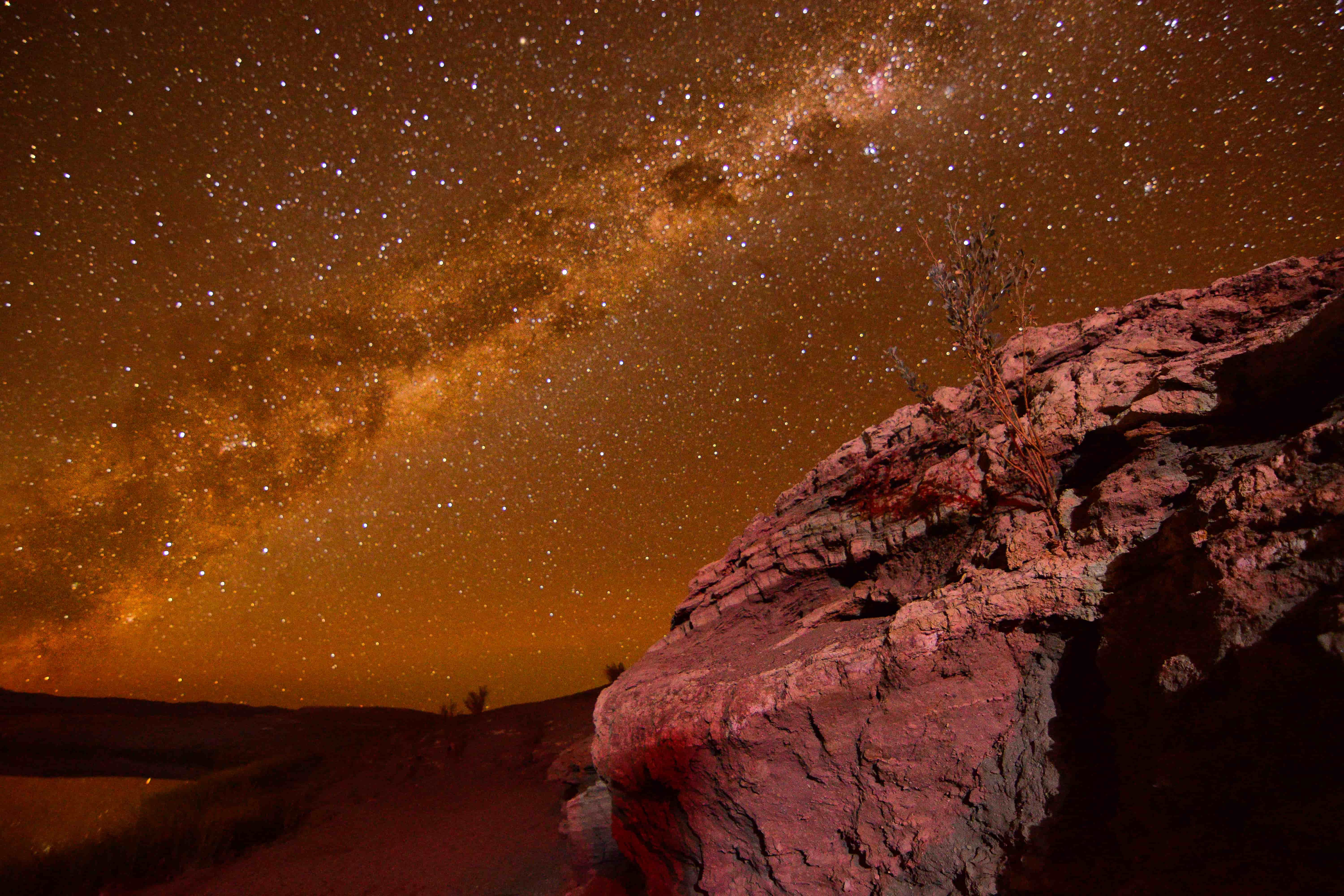
Some of the darkest, clearest night skies on Earth lie over the deserts, salt flats and savannahs of Africa and South America. With minimal light pollution, these regions reveal the Milky Way in astonishing detail — dist
The 10 Best Places for Stargazing in Africa and South America
Some of the darkest, clearest night skies on Earth lie over the deserts, salt flats and savannahs of Africa and South America. With minimal light pollution, these regions reveal the Milky Way in astonishing detail — distant planets, nebulae and the occasional meteor all visible to the naked eye.
Below are ten destinations where the night sky puts on a show worth travelling for.
Africa
1. Sossusvlei, Namibia
Sossusvlei offers one of Namibia’s most celebrated night-sky experiences. Light pollution here is minimal, so the Milky Way appears in vivid detail most evenings, its constellations picked out against the darkness. The towering red dunes and empty wilderness make an unforgettable backdrop for astrophotography.
The surrounding NamibRand Nature Reserve is a favourite for overnight stays, with nocturnal wildlife — polecats, Cape fox and aardwolf among them — often passing through. The reserve borders both Namib-Naukluft National Park and the Nubib Mountains, making it a rewarding base for combining stargazing with wildlife viewing.
2. South Luangwa, Zambia
At the southern end of Zambia’s Great Rift Valley, South Luangwa mixes ox-bow lagoons, open plains and riverine woodland. After a day of game drives, the park’s remote camps offer some of the region’s best conditions for watching the night sky.
Sleeping out on a dry riverbed, with nothing between you and the stars but a bed roll, is a memorable way to experience the bush. Wildlife calls carry through the darkness, and shooting stars appear regularly in the unpolluted sky.
3. Kruger National Park, South Africa
Kruger is best known for its lions, elephants and classic early-morning safaris, but the reserve also delivers exceptional cosmic views after dark. Private concessions within the park offer a quieter setting for an evening under the stars.
Accommodation in the Ngala Private Game Reserve includes lodges set along the Mapone River in the north and tented camps on raised wooden decks. Either way, the night sky is the main event once the sun goes down.
4. Makgadikgadi Pans, Botswana
The Makgadikgadi Pans resemble a lunar landscape, and the sunsets that precede nightfall here are spectacular. As twilight fades, star patterns emerge across an enormous, unobstructed sky.
Camping on the pans is a genuinely remote experience — the solitude is part of the appeal. Among the constellations visible is Scorpius, which contains more than ten stars with planets, including Antares, a red supergiant and the sixteenth brightest star in our sky.
5. Laikipia, Kenya
The Laikipia Plateau is a landscape of sweeping plains and rugged gorges, where thorny acacias and wild palms grow alongside candelabra trees and rocky kopjes. The clear, dark skies above match the drama of the terrain below.
Perched on the edge of a 500ft escarpment, one camp in the Loisaba conservancy offers wheeled ‘star beds’ — wooden double bed frames that can be rolled out onto a private veranda for the night. From there, you look out over the conservancy towards snow-capped Mount Kenya, with wildlife sounds carrying up from below.
South America
1. Sacred Valley, Peru
Stargazing in the Sacred Valley feels different from the open, desolate settings elsewhere on this list. This ancient Incan region follows the Urubamba River between Cuzco and Machu Picchu, and the stars are visible even from high in the mountains.
Among the more unusual places to stay are three transparent, egg-shaped pods suspended 400 metres above the valley floor. The views take in the full sweep of the Sacred Valley, and the clear night sky is visible from the pod itself. In the morning, guests zip-line back down to solid ground.
2. Tayrona National Park, Colombia
Colombia has no shortage of camping options, but Tayrona National Park combines nature, history, indigenous culture and adventure in one place. Its stargazing cabins sit on forested hills with views over the Caribbean coast.
From a hammock on the cabin deck, you can watch the stars come out over the jungle, with the sounds of wildlife all around. The warm sea air makes for an easy night’s sleep before another day of hiking or birdwatching.
3. Salar de Uyuni, Bolivia
The Bolivian salt flats are picture-perfect after dark, their surface reflecting the sky above and doubling the effect of the stars. Tours of the flats often include time to stop and set up camp for the night.
Campers — the country’s only accommodation of this kind — come with a personal chauffeur guide, so you can move freely across the flats, hiking by day and observing distant dwarf galaxies after nightfall. The pink-tinged sunrise is a highlight in its own right.
4. Chilean Patagonia, Chile
Chile is one of the world’s foremost stargazing destinations, home to more than 70% of the world’s large telescopes and enjoying around 300 clear nights a year. Patagonia, with its ice fields and blue lakes, is one of several regions known for outstanding views of the night sky.
One option is a Mongolian-style yurt built on wooden stilts and designed so guests can look up at the heavens from bed. Alternatively, head out towards the bone-dry desert, where meteor showers and other phenomena are easier to catch.
5. Atacama Desert, Chile
The Atacama Desert is one of the best places on Earth to see the Milky Way. Its lunar landscape of wind-sculpted canyons, salt lakes and active volcanoes makes a stargazing trip feel like a visit to another planet. After dark, millions of star clusters fill the sky.
Several hotels in the region run guided stargazing tours with bilingual guides. One, in the Catarpe Valle, has its own stargazing deck and specialist guides on site, offering views of the desert night sky at almost any time of year.
Planning a stargazing trip
The destinations above share a few things in common: remote locations, minimal light pollution and long stretches of clear sky. Many combine well with wildlife viewing, hiking or cultural sightseeing during the day, so a stargazing trip can easily form part of a wider itinerary.