Responsible Travel · 4 November 2019
Top five safaris for responsible travellers
For anyone who wants their safari to give something back, Africa offers a growing number of destinations where wildlife protection and community benefit sit at the heart of the experience. The five itineraries below comb
Five Safaris for Travellers Who Care About Conservation
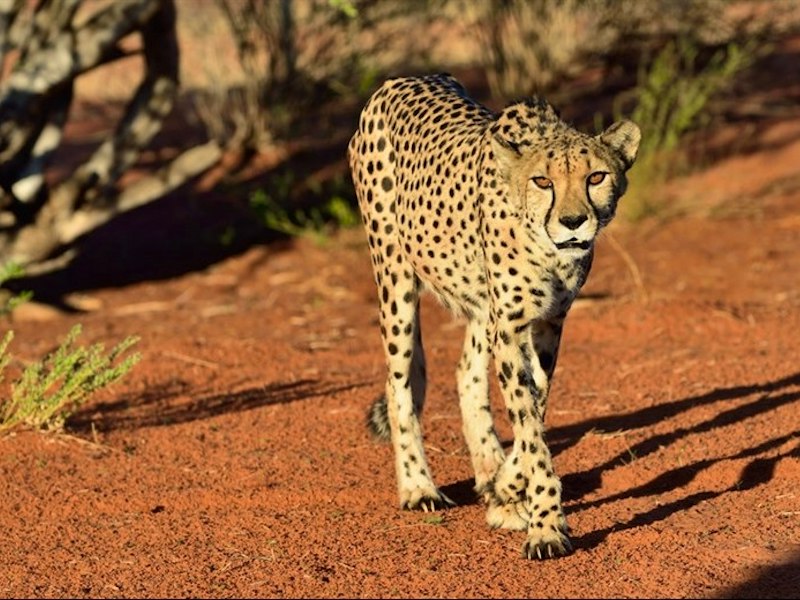
For anyone who wants their safari to give something back, Africa offers a growing number of destinations where wildlife protection and community benefit sit at the heart of the experience. The five itineraries below combine remarkable wildlife encounters with a genuine contribution to conservation — from elephant research camps in Kenya to cheetah rehabilitation in Namibia.
1. Kenya: Elephants and Community Conservancies
A tailor-made elephant safari in Kenya can be built around camps and reserves that play an active role in protecting the country’s wild elephants and their habitat. At Elephant Watch Camp in Samburu, guests can meet the researchers and conservationists who monitor the reserve’s elephant families.
A two-night stay in the Maasai-owned Selenkay Conservancy is also worth building in. This ecotourism project sits on the northern borders of Amboseli National Reserve, and with only 18 guests permitted each day across its 15,000 acres, visitors witness conservation in action — coming face to face with elephants and predators that had all but vanished from the region.
2. Botswana: The Five Rivers Journey
Botswana leads the continent on conservation, thanks to an enlightened approach to sustainable tourism. An 11-day five rivers safari centres on the Kwando Linyanti wetlands, with stays in remote eco-camps set within extraordinary surroundings.
Allow three days to explore the Linyanti Concession, a conservation area bordering Chobe National Park that holds one of Botswana’s densest concentrations of elephant — at times several thousand move through the 121,000-hectare reserve. The concession works closely with government bodies on wildlife protection, focusing on IUCN Red List species including African wild dog, elephant, lion and roan antelope.
3. South Africa: Biodiversity and the Big Five
A two-week South African self-drive can add somewhere rather special to the well-loved Garden Route. Grootbos Private Nature Reserve is a five-star retreat with just 11 deluxe eco-suites, showcasing the remarkable floral diversity of Africa’s southern tip. The reserve protects over 2,500 hectares of pristine Cape flora and trains local people through its Green Futures programme.
Round off the trip with a safari at &Beyond Ngala Tented Camp in Timbavati, a Big Five private reserve sharing unfenced borders with Kruger. Here the sustainability ethos rests on three commitments: care of the land, care of the wildlife and care of the people.
4. Malawi: The Majete Success Story
Majete Wildlife Reserve is one of African conservation’s great success stories. When the charity African Parks took over its management in 2003, elephants had been poached to extinction and there was little or no other wildlife left. Significant restocking and community engagement have since allowed more than 400 elephants to return, and Majete is now Malawi’s first Big Five reserve.
A comprehensive tour of Malawi’s national parks can include three safari days here, plus the chance to go off-grid on Mumbo Island — a private, solar-powered isle in the world’s first freshwater marine reserve, where snorkelling and scuba diving are the order of the day.
5. Namibia: Cheetah Rehabilitation at Okonjima
A classic Namibia self-drive can include a night at Okonjima, home to the renowned AfriCat Foundation. This not-for-profit organisation works on conservation through education, rehabilitating cheetah, leopard, lion, caracal, wild dog and hyena and returning them to the wilds of its 55,000-acre private nature reserve.
Staying at one of Okonjima’s luxury camps directly supports AfriCat’s work, and guests can visit the cheetah project and track released cats on foot. Don’t miss a game drive in search of the reserve’s free-roaming rehabilitated leopards — normally elusive carnivores that are located by radio-tracker, making multiple sightings possible.