Wildlife & Nature · 1 April 2020
Top six Africa safari spots to spot big cats
Few wildlife encounters match the thrill of watching a lion lounge in the midday heat, a lioness stalk her prey through tall grass, or a cheetah streak across the savannah in pursuit of its next meal. For many travellers
Six of the Best African Safari Destinations for Big Cat Sightings
Few wildlife encounters match the thrill of watching a lion lounge in the midday heat, a lioness stalk her prey through tall grass, or a cheetah streak across the savannah in pursuit of its next meal. For many travellers, spotting these predators sits at the very top of the safari wish list.
Africa offers no shortage of places to look for them, but some reserves consistently deliver exceptional sightings. Below are six destinations where lion, leopard and cheetah are regularly seen — and where the surrounding landscapes are worth the journey in their own right.
East Africa
Masai Mara, Kenya
The Masai Mara has built a wildlife reputation that few parks can match. Between July and September, it becomes the stage for the Great Migration, as more than a million wildebeest and zebra brave crocodile-infested waters at the Mara River to reach the fresh grasslands beyond. That constant supply of prey draws large prides of lion, along with leopard and cheetah, throughout the year — which is why the reserve is regarded as one of the world’s finest places for close-up game viewing.
The Mara also has a place in television history. Jonathan Scott, presenter of the BBC’s Big Cat Diary, was based at Governors’ Camp while following the famous Marsh Pride. The camp remains a luxury tented option in the reserve today.
Serengeti, Tanzania
The grasslands of the Masai Mara continue south into Tanzania, becoming the vast Serengeti National Park. Wildlife pays no attention to national borders, and the great herds and the predators that follow them move freely between the two countries.
The Great Migration passes through the Serengeti from December to July, when columns of wildebeest and zebra gather before heading north to Kenya’s pastures. Hippo and crocodile fill the rivers, but the park’s real drawcard lies in the denser bush and acacia woodland of its central regions. Lion and cheetah are spotted regularly here, yet Tanzania is perhaps best known for another feline resident. Leopards are secretive by nature and never easy to find, but the central Serengeti and the Seronera River Valley offer some of the best leopard viewing anywhere on the continent.
Southern Africa
South Luangwa, Zambia
The Luangwa River traces a winding, ever-changing course along the eastern edge of South Luangwa National Park, a major tributary of the Zambezi. During the rainy season it bursts its banks, flooding the park and turning dry bush into swathes of green vegetation.
That seasonal transformation supports an abundance of wildlife. Buffalo and elephant herds share the plains with antelope, while the river and its oxbow lakes shelter the valley’s crocodiles. For big cat enthusiasts, the park’s knowledgeable guides are skilled at tracking lion and leopard, and South Luangwa has earned a strong reputation for walking safaris that bring visitors close to the action on foot.
Lower Zambezi, Zambia
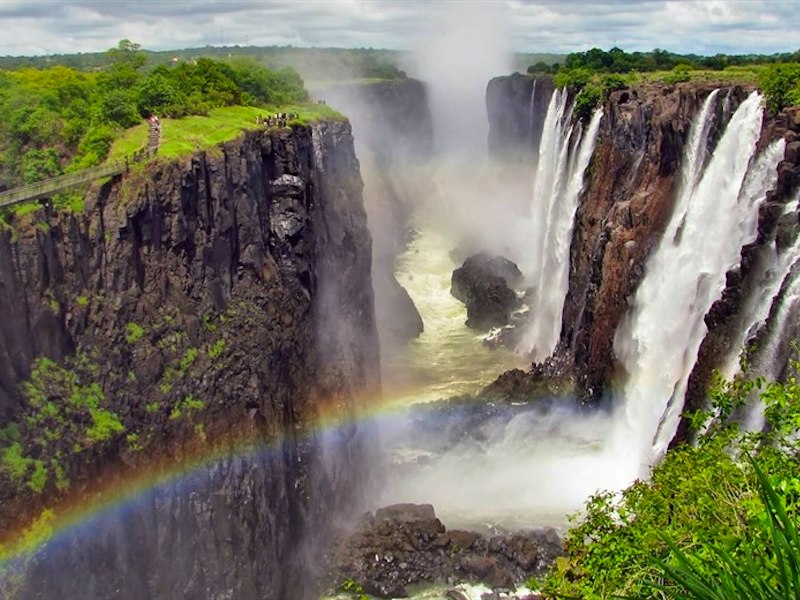
Zambia’s most commanding presence is not an animal at all. The Zambezi River thunders over Victoria Falls, carves its way through the Batoka Gorge, empties into Lake Kariba and then flows more gently eastwards through the Lower Zambezi Valley. Beautiful national parks line its course, protecting remote floodplains, broadleaf woodland and dense forest that together support antelope, hippo, crocodile and large herds of elephant.
The river’s calm channels make boat and canoe safaris possible, bringing visitors within close range of wildlife, while kayaking and fishing add variety to a stay. The park’s relative wildness is among its greatest strengths. Lion prides and leopards remain plentiful here and are often spotted resting in the shade of acacia canopies between hunts.
Sabi Sand Wildlife Reserve, South Africa
A cluster of private reserves along the western border of Kruger National Park forms the Sabi Sand Wildlife Reserve, widely considered South Africa’s leading Big Five destination. No fences separate Sabi Sand from Kruger, so wildlife moves freely between them — but within the private reserves, guides may drive off-road and deeper into the bush, giving guests closer encounters with animals in their natural habitat.
The area is known for outstanding close-range lion and leopard sightings, as well as armed bush walks for those who prefer to explore on foot. Evenings here are particularly rewarding: late-afternoon safaris follow the reserve’s leopards into dusk in the hope of catching them on the hunt.
Kalahari, Botswana
Botswana’s varied landscapes and rich wildlife have firmly established it as a safari destination. The Kalahari is the world’s largest sand basin, and the Central Kalahari Game Reserve that lies within it is the largest game reserve on the planet.
For many years the reserve was closed to the public, which helped preserve it as one of Africa’s last true wildernesses and allowed its wildlife populations — big cats included — to thrive. Lion, leopard and cheetah roam throughout the park, lying in wait for the thousands of wildebeest, zebra and springbok that migrate into the area at the start of each year. Among them, with luck, visitors may catch sight of the striking Kalahari black-maned lion.