Wildlife & Nature · 1 January 2026
Top 10 Unmissable Wildlife Experiences to Book Now for 2026
The most sought-after lodges and boutique hotels fill up fast, especially in Africa and Latin America, where the choice of accommodation is limited. In many reserves, visitor numbers are deliberately capped to limit dist
Ten Wildlife Experiences Worth Planning Ahead for 2026
The most sought-after lodges and boutique hotels fill up fast, especially in Africa and Latin America, where the choice of accommodation is limited. In many reserves, visitor numbers are deliberately capped to limit disturbance to wildlife, which means the best dates go early. Booking well ahead also opens up possibilities that simply aren’t available at short notice: expert guides, remote camps and routes built around your particular interests rather than a fixed schedule.
With that in mind, here are ten wildlife experiences that reward forward planning, presented in no particular order.
1. Desert elephants and balloon flights over the dunes in Namibia
Namibia packs an extraordinary range of wildlife into a single trip. Solitary black rhinos wallow in thick mud, Heaviside’s dolphins skim along the coast, and antelope, giraffe and zebra gather in numbers around the waterholes. Days are spent on safari; early mornings bring the sun creeping over towering dunes, and nights offer stargazing under some of the clearest skies anywhere.
Two experiences stand out: tracking elephants in Damaraland and drifting over Sossusvlei in a hot-air balloon. A self-drive route linking Etosha, Damaraland, Swakopmund and Sossusvlei allows you to move at your own pace, taking in everything from Himba communities to the bright orange dunes and quieter reserves such as Onguma.
Tracking desert-adapted elephants in Damaraland
Desert-adapted elephants making their way along ephemeral riverbeds are a sight unlike any other. It seems impossible that an animal of this size could survive in such harsh conditions, yet these elephants have defied the odds in Damaraland for generations, digging for water buried deep beneath the ground. In a landscape where water is so scarce, their continued survival is a testament to the species’ intelligence and resilience.
Sunrise over Sossusvlei from the air
A balloon flight over Sossusvlei at first light reveals the dunes at their most dramatic, with long shadows and shifting colour across what feels like a Martian landscape. On landing, a desert breakfast is served with sparkling wine — a memorable way to mark a special occasion, and an experience that tends to stay with people for years.
Timing: June to October is the recommended window. It’s also a good period for encountering Etosha’s endangered black rhinos, which sometimes gather in what Sir David Attenborough described as “secret parties” at the edges of the waterholes.
2. Cloud forest birding and river rafting in Costa Rica
Costa Rica is built around the pairing of nature and adventure. You might spend a morning following the calls of howler monkeys through Monteverde Cloud Forest, then an afternoon zip-lining above the canopy at Arenal. Colourful wildlife, varied landscapes, a rich cultural heritage and a genuine commitment to eco-tourism make it a perennial favourite — and the mid-November to April season is booked well in advance.
Two experiences worth building a trip around are quetzal-watching in San Gerardo de Dota and white-water rafting on the Pacuare River. A route taking in Marino Ballena National Park, where humpback whales may be visible, and the remote Osa Peninsula offers access to one of the most biologically diverse regions in the Americas, home to scarlet macaws, several monkey species and the elusive tapir.
Finding the resplendent quetzal
San Gerardo de Dota is among the most reliable places to see the resplendent quetzal, a bird once regarded as divine by ancient civilisations and still startling in its iridescent plumage. Local guides know the aguacatillo trees the birds feed on and can take you directly to them.
Rafting the Pacuare River
The Pacuare’s rapids carry you through densely vegetated rainforest gorges, past waterfalls and into calm pools, all within primary forest. Rafting here can be added to a wider Costa Rica itinerary with some forward planning.
3. Rare forest mammals and rich birdlife in Ghana
Ghana offers something different from the more established African safari destinations. It is home to rare Upper Guinea forest mammals and a multifaceted culture, with experiences ranging from canopy walks in Kakum National Park to community-run conservation work at Bonkro.
For wildlife photographers, Kakum and Ankasa are particularly productive. Possible subjects include two extremely rare pangolin species, anomalures and the yellow-headed picathartes. Ankasa’s rainforest shelters Pel’s anomalure and the West African potto, while Nyamebe Bepo, also known as Picathartes Forest, is a rewarding site for the endangered white-bellied pangolin.
Kakum: butterflies, bats and nocturnal calls
Time in Kakum and Ankasa is largely spent searching for forest-dependent species. Crowley’s forest sylph butterflies drift through the canopy, West African dwarf crocodiles lurk in the ponds, and the nocturnal soundscape is defined by the loud calls of the hammer-headed bat and Nkulengu rail.
Bonkro: conservation funded by community tourism
Bonkro’s community activities and its picathartes experience are not to be missed. Waiting beneath the overhanging rock face and cave as the birds return from foraging is an atmospheric way to end the day, and all proceeds go to a fund supporting residents’ community development programmes — which in turn helps protect the forest.
Timing: late October to March is considered the best period. The forest birdlife is a particular highlight, notably the variety of hornbills, malimbes and iridescent sunbirds found in these Upper Guinea forests.
4. Jaguars and pink river dolphins in Brazil
Brazil’s sheer scale means there is always more to see. The Pantanal offers excellent jaguar-spotting opportunities, the Amazon is known for immersive jungle trekking and outstanding birdwatching, and the Cerrado’s unique savannah ecosystem is home to the maned wolf. The dry season, from April to November, provides the best overall conditions for wildlife watching.
Two highlights stand out: jaguar-spotting in the Pantanal and a boat trip to see pink river dolphins in the Amazon. A route covering the Amazon, Pantanal and Cerrado combines spectacular tropical forest, wetlands and savannah, with good chances of encountering capybara and aquatic species such as the giant river otter.
Jaguars in the Pantanal
Because jaguars are so elusive, any sighting feels like a stroke of luck. The Pantanal is where they are most reliably seen, sometimes along the legendary Transpantaneira road, sometimes watching from dense undergrowth or basking in the sun.
Pink river dolphins in the Amazon
Pink river dolphins are vibrant, sociable and unmistakable. As you travel the winding waterways by canoe, these rose-coloured creatures may swim alongside, using their melon-shaped foreheads to navigate the murky water.
5. Lemurs and forest walks in Madagascar
Madagascar resists easy description. Its wildlife is largely endemic and often strange, its plants come in shapes found nowhere else, and its landscapes shift dramatically from region to region. You could begin in the eastern rainforests, where a rich array of lemurs moves through the canopy, continue south to the subarid spiny thickets and sandstone mountains for a complete change of scenery, and finish among the baobabs and rare birds of the western tropical deciduous forests.
Two of the most rewarding experiences are nature walks in Zombitse-Vohibasia Forest and lemur-watching in Andasibe-Mantadia. A small-group tour led by a top Malagasy guide offers a strong chance of seeing many lemur species, from the largest (indri) to the smallest (mouse lemur), along with endemic birds, reptiles, frogs and invertebrates.
Andasibe-Mantadia: a primate stronghold
An eerie “ooooeee” chorus is often the first thing you hear in Andasibe-Mantadia. It may sound at first like bagpipes, but the sound belongs to the indri, calling to locate family members or to defend territory in a vocal contest with neighbouring groups. Elsewhere, you can watch wild ring-tailed lemurs clinging to their mothers at Anja, and tiny nocturnal mouse lemurs scampering about at night in Ranomafana — a varied set of primate-watching experiences in one trip.
Walking in Zombitse
The wildlife walks in Zombitse, Isalo and the Ifaty Spiny Bush are highly rewarding. One moment you might glimpse the iconic Verreaux’s sifaka; the next, you may be following the quick movements of Appert’s greenbul, one of the area’s flagship bird species. The 36,300-hectare Zombitse-Vohibasia transition forest protects a range of Madagascar’s endemic birds, including the giant coua, often seen sauntering in pairs with bright blue face masks and long tails on display.
Timing: September to November, the austral spring, is when most creatures are at their most active. Trips can also be arranged to include the carnivorous fossas of Kirindy Forest.
6. Wine and natural wonders in Argentina
From the canyons of the north-west to the ancient forests around Bariloche, Argentina is made for hiking and photography. Its 3,650 kilometres of terrain take in snow-capped mountains and atmospheric ice fields throughout Patagonia, as well as marine encounters with southern elephant seals flopping along the shore of the Valdes Peninsula.
Two experiences worth adding to any itinerary are wine tasting in Mendoza and witnessing the scale of Iguazu Falls. An in-depth introduction to the country might also take in tango in Buenos Aires and the Lake District, with its soaring mountains, vast forests and sprawling estancias.
Mendoza: vineyards beneath the Andes
In summer, Mendoza’s green vineyards stand out sharply against the white of the Andes beyond. Mornings given over to wine tasting and an afternoon by the pool make this a highlight of many trips. The scenery alone is worth the journey, and glasses of Malbec are best enjoyed slowly. Visits to Salentein, Domaine Bousquet and Andeluna offer an insight into the region’s winemaking history; the Bousquet family first arrived in 1990, and four generations have since worked the land.
Iguazu: waterfalls and wildlife
Standing before the Devil’s Throat at Iguazu, the force of the water is mesmerising — tumbling from 90 metres at speeds of up to 1,750 cubic metres per second. Beyond the falls themselves, the surrounding jungle trails are home to sub-tropical wildlife, including coatimundis, often seen travelling together in family groups.
Timing: Patagonia’s combination of awe-inspiring scenery and diverse marine fauna is best enjoyed during the longer, warmer days from mid-December to February.
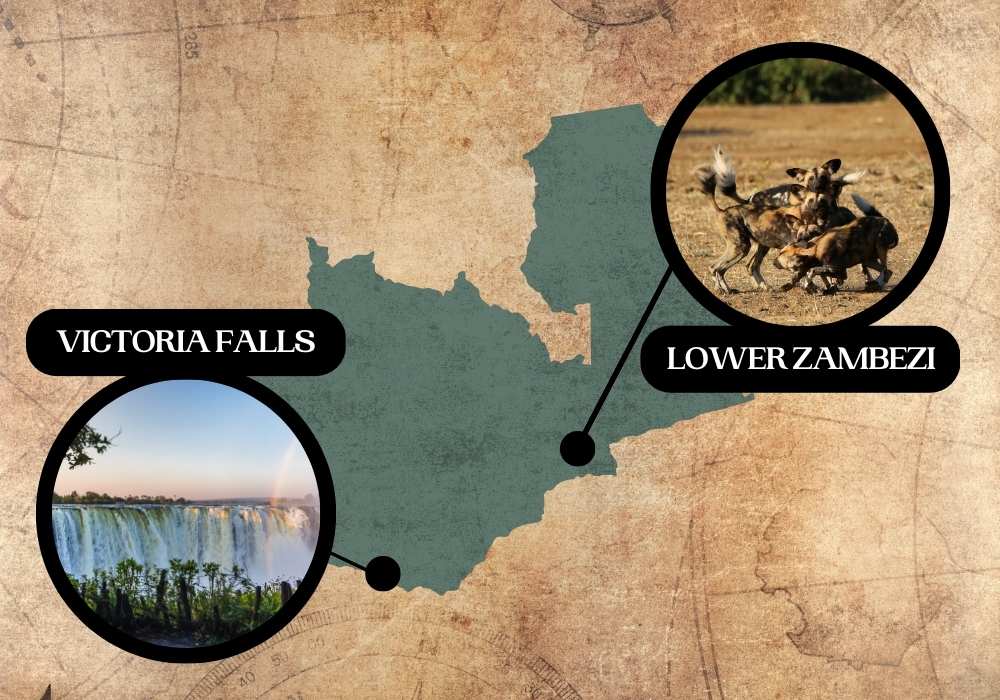
7. Waterfalls and wild dogs in Zambia
Zambia suits travellers who want a back-to-basics safari. Lions and leopards often come close to camp, and endangered wild dogs can be spotted with their puppies. June to September is spectacular for game viewing — a period when you may watch elephants cross the Kafue River at sunset, sometimes using their trunks as makeshift snorkels.
Two experiences stand out: a walking safari through the Lower Zambezi and a helicopter flight over Victoria Falls. Combining Victoria Falls with safaris in South Luangwa and the Lower Zambezi offers a mix of wildlife and spectacle, beginning with game drives among enormous herds of elephant before turning to birdwatching — eagles are among the 375-plus species recorded in the region.
Walking the Lower Zambezi
A walking safari in the Lower Zambezi explores pristine wilderness alongside an experienced guide. You learn first-hand about the region’s ecosystems while accumulating sightings of bushbuck, zebra, wildebeest and much more.
Victoria Falls from the air
A helicopter flight over Victoria Falls — the “Flight of Angels”, as David Livingstone called it — is unforgettable. The immense spray and deafening noise of the water tumbling 300 feet below leave most visitors speechless.
8. Pumas and desert landscapes in Chile
Chile’s landscapes are remarkably varied: wind-sculpted canyons and active volcanoes in the north, vividly coloured lakes and temperate rainforests in the south. In a single trip you can move from dry desert conditions through more temperate terrain and on to a wetter climate, which makes for a journey that holds your attention at every stage.
The Atacama Desert and Chilean Patagonia are essential stops — two ecosystems as different from one another as it is possible to find. A route through both can combine the El Tatio geysers coming to life at sunrise with hiking among mountain peaks and sparkling blue lakes in Torres del Paine.
The valleys of the Atacama
The Atacama has two famous valleys: Valle de la Luna (Moon Valley) and Valle de la Muerte (Death Valley). The Moon is otherworldly, as its name suggests; the Death Valley’s dunes and red rock formations are naturally suited to sandboarding or cycling.
Pumas in Patagonia
Torres del Paine National Park offers strong opportunities to spot pumas. Despite their rarity, this picturesque region has one of the highest densities of the species, with roughly one puma per ten square kilometres. Routes such as the Hunter’s Trail are among the best options.
Timing: Book early for the start of Patagonia’s summer season from November onwards. Visiting between late October and April gives the best visibility and access to more hiking areas.
9. Big Five safaris and fine dining in South Africa
Few experiences match the thrill of tracking a lion in South Africa. Watching one move through the bush feels like a moment outside of time. The country offers the full range of Big Five sightings — elephant, lion, leopard, rhino and buffalo — alongside diverse natural habitats. In areas such as KwaZulu-Natal, you can also explore Zulu culture or learn bush survival skills.
A two or three-night stay in the Cape Winelands, based in Franschhoek, adds a gastronomic dimension. Franschhoek is known as the Gourmet Capital of South Africa, where wine tasting can be followed by lunch at one of the area’s popular restaurants, surrounded by the farms of the local vignerons.
Combining a Big Five safari in Kruger or Sabi Sands with Cape Town’s food, wine and nearby winelands makes for a well-rounded trip. Cape Town, with Table Mountain as its backdrop, is a cultural hotspot steeped in history, from Nelson Mandela’s Robben Island prison to the colourful streets of Bo Kaap. A stay on the V&A Waterfront, paired with a Sabi Sands safari and a visit to Victoria Falls, covers some of Southern Africa’s finest highlights.
Safari in Kruger and Sabi Sands
Kruger and its neighbouring reserve, Sabi Sands, are renowned for excellent big cat sightings and a lion population of up to 2,000. More than 150 mammal species have been recorded here, along with over 500 bird species.
Cape Town for every traveller
Natural beauty, a thriving food and wine scene and the nearby winelands make South Africa an excellent choice for a wide range of travellers — and that’s before considering the wildlife of the bush and coastal regions.
10. Archaeology and jungle trekking in Peru
Majestic condors ride the thermal currents above vast canyons, Inca sites sit among forested valleys, and remote villages remain far from the crowds. Peru offers some of the world’s most compelling nature and culture in a single trip, with ample opportunity for birdwatching, gastronomic dining — ceviche included — and hiking through dramatic mountain scenery.
Machu Picchu and the wildlife-rich Amazon are both essential. A tailor-made route can also take in high-altitude Lake Titicaca, with its snow-capped Andean views, and Cuzco, the heart of the ancient Inca Empire.
Wildlife in the Peruvian Amazon
The Peruvian Amazon can be experienced in many ways, and much of its wildlife is visible from the comfort of a river cruise. Gliding through the waterways by wooden canoe, your attention shifts between red howler monkeys, anacondas, side-neck turtles and black caimans along the banks and in the trees. It isn’t only a visual experience: frogs hopping between lily pads, birds calling overhead and the haunting cry of howler monkeys combine into something deeply immersive.
Walking ancient paths to Machu Picchu
The KM104 trek follows a lesser-trodden Inca Trail path to Machu Picchu, including the spectacular final Sun Gate viewpoint, without any camping. Along the way you visit Wiñay Wayna, a small Inca site overlooking the Urubamba River and a perfect introduction to its more famous neighbour. The route covers 13km and takes six or seven hours, though the dramatic scenery and archaeological finds make the time pass quickly.
Timing: April to November is the best period to visit. It’s also when you can raft the white water of the Urubamba River near Cuzco and fly over the truly bizarre Nazca Lines — another remarkable highlight.
Planning ahead
Booking early secures access to the world’s best wildlife experiences and cultural activities. From tracking elephants in Namibia to spotting jaguars in Brazil, forward planning opens the door to popular lodges, expert guides and remote locations that are otherwise difficult to reach. It also means your trip can be shaped around your interests, responsibly and entirely to your own specifications.