Destinations · 13 February 2024
What is the Best Time of Year to Visit Malawi?
Malawi's varied terrain — from gentle plateaus to dramatic mountain ranges — makes it one of southern Africa's most rewarding destinations. Thanks to its subtropical climate, it is possible to travel here at almost any p
What is the Best Time of Year to Visit Malawi?
Malawi’s varied terrain — from gentle plateaus to dramatic mountain ranges — makes it one of southern Africa’s most rewarding destinations. Thanks to its subtropical climate, it is possible to travel here at almost any point in the year, whether you have your sights set on Majete Game Reserve or Nyika National Park.
That said, the seasons shape what you will see and do. Temperatures stay fairly consistent from month to month, but rainfall and humidity shift considerably, influencing everything from wildlife visibility to birdlife. Here is how the year breaks down.
The Dry Season: June to August
The cool, dry months of June, July and August are Malawi’s peak season, and for good reason. Conditions are reliably rain-free, making this the most comfortable window for game drives and boat trips — though it can be windy, so pack warm layers.
At Liwonde National Park, thinning vegetation and scarce water sources draw wildlife into the open, making sightings easier. July and August tend to be the coldest months, but water sports remain enjoyable and larger elephant herds can still be tracked without weather getting in the way. Evenings are chilly, and there is little better than warming up by a log fire while the sounds of the bush carry on around you.
This period also coincides with crocodile courtship, which begins in May. Males bellow, blow bubbles and clash with one another to establish dominance — a compelling spectacle for anyone visiting Liwonde.
September: The Post-Peak Window
September brings heat, but humidity stays low, which keeps game viewing in excellent condition. The regular rains have not yet arrived, so conditions remain favourable after the peak season crowds have thinned.
Nkhotakota Wildlife Reserve, close to the shores of Lake Malawi, is well suited to a slower style of safari. Walking past waterfalls and canoeing along clear rivers encourages a more unhurried pace — useful when the heat is up. Hippo, buffalo, lion and leopard are all possibilities here. Night-time temperatures settle around 15–17°C, offering welcome relief after a day of activity.
October: The Hot Season
October is both hot and humid, which can make wildlife experiences more demanding. Daytime averages reach their annual peak under clear skies. For travellers who cope well with heat, there are rewards: at Nyika National Park, eland herds regroup ahead of the breeding season.
With water sources limited, animals are more inclined to leave cover to drink. Hippos, elephants and water birds gather in large numbers, creating some memorable concentrations of wildlife.
The Green Season: November to April
Malawi’s green season — also called the wet or rainy season — runs from November through April. Heavy rain transforms the landscape entirely, turning the national parks vivid green. Temperatures remain stable, and conditions for game viewing can be excellent.
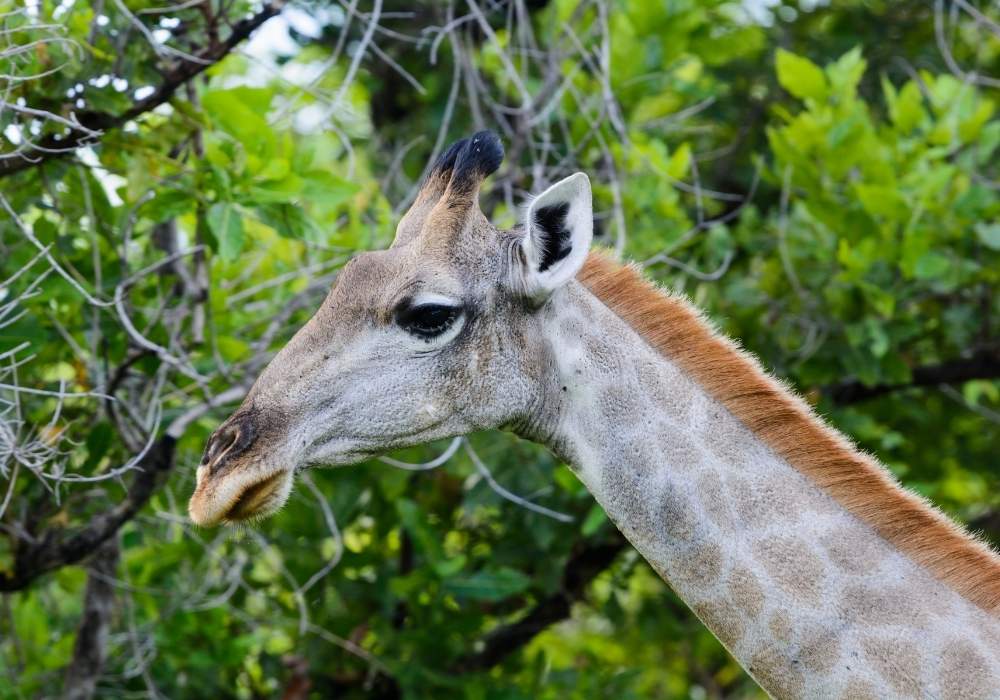
This is also breeding season. Antelope calves, lion cubs and zebra foals all arrive during these months, and the lush vegetation supports giraffes and bushbuck feeding on fresh growth. Birdwatchers are particularly well served, as migratory species arrive to court and nest across the floodplains and forests.
When to Visit Malawi’s Beaches
From May to August, once the rains have passed, sunshine returns to the sandy shores along Lake Malawi. Daytime temperatures are ideal for sunbathing or time on the water — a welcome way to unwind after a safari.
Majete Wildlife Reserve offers the chance to see the Big Five, while Lake Malawi provides the relaxation. Combining the two makes for a trip that balances adventure with recovery.
The lakeside beaches have a rustic character, comparable to Zanzibar but with far fewer visitors. Snorkelling and scuba diving are particularly rewarding, as Lake Malawi teems with colourful cichlids.
Why the Drier Months Stand Out
If you are weighing up when to go, the drier winter months offer a strong combination: excellent weather for wildlife viewing, the chance to witness crocodile courtship, and large concentrations of elephant. Fresh, cool evenings round off the day nicely.
That said, Malawi rewards visitors year-round. The green season brings dramatic scenery and newborn wildlife, while September and October suit those who do not mind the heat. Matching your dates to the experiences you value most is the surest way to get the trip you want.