Responsible Travel · 12 January 2024
What’s the Green Season? Complete Low Season Safari Guide
Africa offers some of the world's most remarkable wildlife encounters, from penguin colonies near Cape Town to elephant herds at Victoria Falls. Travel during the green season and you may also spot rare migratory birds o
What Is the Green Season? A Complete Guide to Low Season Safaris
Africa offers some of the world’s most remarkable wildlife encounters, from penguin colonies near Cape Town to elephant herds at Victoria Falls. Travel during the green season and you may also spot rare migratory birds or watch newborn animals finding their feet in fresh grassland.
This wetter time of year suits birdwatchers and photographers particularly well. Vivid green landscapes stand out against dark skies, and the changing conditions create striking scenes across the continent.
So what exactly is the green season, when does it fall, and why might you plan a safari around it? This guide covers the essentials.
Defining the Green Season
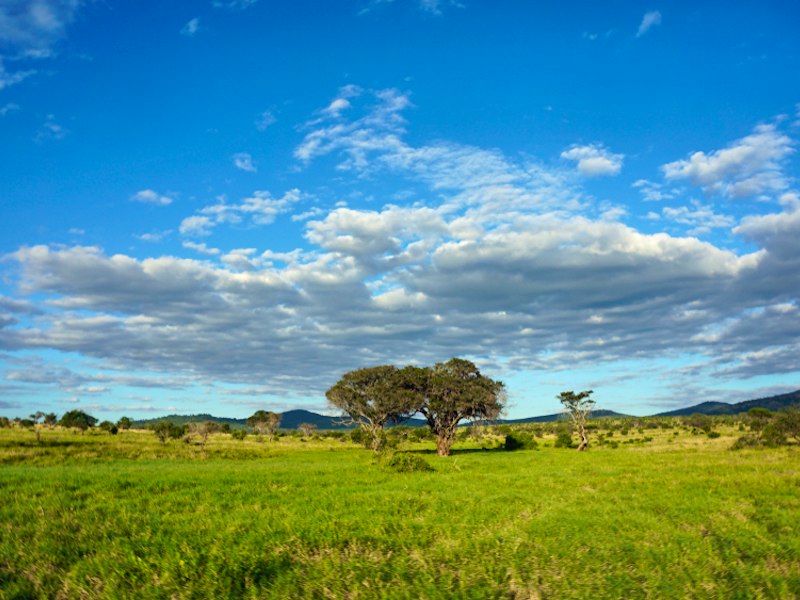
The green season is the wet season across Southern and East Africa. Warmer, rainier months turn dry, dusty expanses into rolling grassland, transforming the look and feel of the landscape.
It is an excellent time for a safari. Wildlife sightings occur that you will not find at any other point in the year, and the golden light combined with green vegetation gives photographers a real advantage. This contrasts with dry season safaris, when thinner vegetation makes animals easier to spot but the scenery is less dramatic.
In travel terms, this period counts as low season. Time your trip well and you can avoid the crowds while enjoying experiences that are entirely its own.
When Does the Green Season Fall?
Timing depends on where you go. In Southern Africa, the green season runs from December to March. In East Africa, it spans November to December and April to May.
East Africa has two distinct wet periods: the long rains from April to May and the short rains from November to December. Knowing when each arrives will help you choose the right dates.
Peak season sits at the opposite end of the calendar and offers the most reliable game viewing. In Southern Africa, that means May to October; in East Africa, June to October.
Why Travel in the Green Season?
The green season brings migratory birds and a surge of newborn animals.
Bee-eaters and kingfishers settle on shimmering lakes and in verdant rainforests, while zebra foals and monkey infants are born in their thousands.
Calving season also brings dramatic predator-and-prey encounters. On a green season safari, you might see a pride of lions feeding or giraffe calves making a narrow escape. These are significant events, and not for the faint-hearted.
You will also notice how much the seasonal rains change the land. Bone-dry terrain disappears, replaced by green landscapes, lush vegetation and plentiful water for wildlife. Dark storm clouds build over vast horizons, golden light breaks through, and carpets of flowers emerge.
Travelling in the green season is also cheaper, since conditions are considered less optimal for game viewing.
With good conditions for game drives and abundant wildlife to find, this safari season stands apart from the rest.
Where to Go on a Green Season Safari
Southern and East Africa both offer distinctive green season safaris, from baby elephants moving through the riverine forests of the Masai Mara to foals being born near Nxai Pan.
Southern Africa
South Africa combines excellent wildlife encounters with iconic locations, from the Garden Route to the Cape Winelands, and suits every type of visitor. After exploring Cape Town’s craft markets and art galleries, you can head to Amakhala Game Reserve to spot rhino, cheetah and wildebeest. Big game viewing is superb, and the weather is at its best.
For the Eastern Cape, February is the best time to safari during the season.
In north-eastern South Africa, Kruger National Park offers baby waterbucks on the open plains and sunbirds nesting or feeding in flowering trees overhead. Summer rains persist, but the climate stays relatively warm and humid.
For Kruger, December is the best time to visit during the green season.
Botswana offers another option, with the magic of the Kalahari. Buffalo and elephant roam the Makgadikgadi grasslands, while springbok arrive in their thousands.
For Botswana, March is the best time to safari during the season.
East Africa
In East Africa, dense vegetation provides cover for lions and cheetahs in the Serengeti. Afternoon thundershowers during the rainy season overflow watering holes, keeping wildlife hydrated, from tiny antelope to spotted hyenas. Because animals are harder to see, every sighting feels precious.
For the Serengeti, April is the best time to safari during the green season.
Further north in Kenya, desolate dust flats become emerald green savanna, and a host of foals, fawns and calves are born. Large herds of wildebeest migrate with their calves from the Masai Mara to the Serengeti following the short rains in November, while predators stalk their prey, including lion attacks on topi.
For Kenya, late May is the best time to safari during the green season.
Planning a Green Season Safari
The green season offers superb game viewing and exclusive experiences at world-famous safari destinations. With fewer crowds, lower prices and landscapes at their most dramatic, it is a period worth considering for your next African wildlife trip.